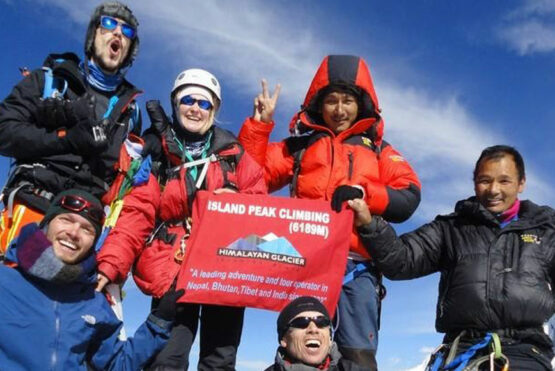
Nepal, the land of towering Himalayan peaks and rich cultural heritage, is a dream destination for mountain climbers and adventure enthusiasts worldwide. From the legendary Mount Everest to lesser-known peaks offering serene landscapes and challenging climbs, Nepal has something for every type of climber. Beyond the physical adventure, climbing in Nepal immerses adventurers in vibrant local cultures, ancient traditions, and breathtaking natural beauty.
Whether you’re a seasoned mountaineer seeking your next technical conquest or a beginner hoping to experience your first high-altitude climb, Nepal offers an unforgettable journey. For expert guidance, itineraries, and climbing packages, Himalayan Glacier provides comprehensive resources to help you plan your adventure safely and efficiently.
Popular Climbing Regions and Famous Peaks in Nepal
Nepal’s mountainous terrain is vast and diverse, offering a wide range of climbing experiences. Here’s a breakdown of the most popular regions and the famous peaks in each area:
| Region | Notable Peaks | Difficulty Level | Unique Features |
| Khumbu Region | Mount Everest (8,848m), Lhotse (8,516m), Ama Dablam (6,812m) | Expert to Advanced | Gateway to the Everest Base Camp, Sherpa culture, stunning landscapes |
| Annapurna Region | Annapurna I (8,091m), Machapuchare (6,993m), Gangapurna (7,455m) | Intermediate to Advanced | Annapurna Circuit treks, lush valleys, diverse ecosystems |
| Langtang Region | Langtang Lirung (7,227m), Dorje Lakpa (6,966m) | Beginner to Intermediate | Close to Kathmandu, traditional Tamang villages, accessible treks |
| Manaslu Region | Manaslu (8,163m), Himalchuli (7,893m) | Advanced | Remote area with less crowded routes, culturally rich villages |
| Ganesh Himal Region | Ganesh I (7,422m), Ganesh II (7,118m) | Intermediate to Advanced | Scenic ridge lines, panoramic Himalayan views |
For more details on selecting the right climbs, check out our guide on Best Peak Climbing in Nepal, curated by Himalayan Glacier experts.
Highlights of Famous Peaks
- Mount Everest: The world’s tallest peak, attracting climbers globally; known for its challenging altitude and extreme weather.
- Ama Dablam: Often referred to as the “Matterhorn of the Himalayas,” a technical climb with stunning aesthetics.
- Annapurna I: Famous for its massive avalanche-prone slopes; a challenging peak for experienced climbers.
- Machapuchare: Sacred to local communities; technically off-limits for summiting but offers scenic climbing experiences around its base.
Tips for Beginners and Necessary Preparation
Starting your mountain climbing journey in Nepal requires careful preparation, especially for beginners. Here’s a practical guide:
Physical Preparation
- Cardiovascular Fitness: Engage in running, cycling, or swimming for at least 3-4 months before the climb.
- Strength Training: Focus on legs, core, and back muscles.
- Hiking Practice: Gradually increase trek difficulty and altitude acclimatization.
Gear and Equipment
| Essential Gear | Purpose |
| Mountaineering boots | Grip and insulation at high altitudes |
| Trekking poles | Stability and reduce knee strain |
| Layered clothing | Adapt to fluctuating temperatures |
| Climbing harness & ropes | Safety during technical ascents |
| Crampons & ice axe | For snow and ice terrain |
| First aid kit | Manage injuries and altitude sickness |
Skills to Learn
- Basic rope handling and knots
- Using crampons and ice axes
- Navigation with map and GPS
- Altitude sickness awareness and prevention
For a detailed beginner guide, visit Mountain Climbing for Beginners provided by Himalayan Glacier.
Mental Preparation
- Patience: Weather delays and altitude challenges require mental resilience.
- Focus: Technical climbs demand attention to detail and safety.
- Teamwork: Successful expeditions often rely on good communication and mutual support.
Not Sure Which Peak to Climb?
Choosing the right mountain can be confusing.
Our experts will guide you based on your experience level, fitness, budget, and timeline to help you pick the perfect climb in Nepal.
Challenges and Safety Considerations
Mountain climbing in Nepal is thrilling but comes with inherent risks. Awareness and preparation can mitigate dangers.
Common Challenges
- Altitude Sickness: Symptoms include headaches, nausea, dizziness; acclimatization is key.
- Extreme Weather: Sudden snowstorms and high winds are common.
- Technical Difficulties: Steep ice, crevasses, and rocky ridges.
- Remote Locations: Limited access to medical facilities and emergency services.
Safety Measures
- Acclimatization: Ascend gradually; take rest days at higher altitudes.
- Hire Experienced Guides: Local guides, including Himalayan Glacier professionals, offer invaluable expertise.
- Emergency Plans: Carry satellite phones and know nearest evacuation routes.
- Weather Monitoring: Use real-time forecasts to plan ascents and descents.
- Physical Conditioning: Only attempt climbs within your fitness and skill level.
Experienced climbers can explore our guide on Top 8 Technical Climbing Peaks in Nepal for Experienced Mountaineers curated by Himalayan Glacier for high-risk, high-reward climbs.
Seasonal Considerations and Best Time to Climb
Nepal has two primary climbing seasons, each offering unique experiences:
Pre-Monsoon (Spring) – March to May
- Pros: Clear skies, moderate temperatures, blooming rhododendrons
- Cons: High demand; popular routes crowded
- Recommended Peaks: Everest, Ama Dablam, Annapurna
Post-Monsoon (Autumn) – September to November
- Pros: Stable weather, excellent visibility, ideal trekking conditions
- Cons: Slightly colder temperatures at higher altitudes
- Recommended Peaks: Most Himalayan peaks, including Manaslu and Langtang
Winter – December to February
- Pros: Minimal crowds, snow-covered landscapes
- Cons: Extreme cold, avalanche risks, some trails inaccessible
Monsoon – June to August
- Pros: Lush green landscapes, fewer tourists
- Cons: Heavy rain, landslides, slippery trails
- Recommended: Low-altitude trekking; high peaks generally not recommended
Seasonal Peak Climbing Summary
| Season | Weather Conditions | Peak Accessibility | Crowds |
|---|---|---|---|
| Spring | Moderate, clear | High | High |
| Autumn | Stable, clear | High | Moderate |
| Winter | Cold, snow | Limited | Low |
| Monsoon | Rainy, landslides | Low | Low |
Preparing for a Memorable Climbing Experience
- Plan Ahead: Book permits, guides, and gear early with Himalayan Glacier.
- Research Routes: Know difficulty levels, camps, and rescue options.
- Stay Hydrated: Prevent dehydration in high-altitude environments.
- Respect Local Culture: Follow traditions and environmental guidelines.
Document Your Journey: Capture breathtaking landscapes and memories.
Plan Your Adventure with Himalayan Glacier
Embark on a Himalayan Climbing Expedition.
Discover tailored peak climbing tours and start planning your Nepal adventure today.
Frequently Asked Questions (FAQ)
While some peaks require technical skills, many trekking peaks and lower-altitude climbs are beginner-friendly. It’s recommended to start with Mountain Climbing for Beginners provided by Himalayan Glacier for guidance.
Climbers need a climbing permit from the Nepal Mountaineering Association (NMA) or the Department of Tourism, depending on the peak. Popular peaks like Everest and Annapurna require additional fees and special permits.
The ideal seasons are Spring (March-May) and Autumn (September-November) due to stable weather, clear skies, and optimal visibility.
Training should include cardiovascular exercises, strength training, and multi-day hiking to build endurance and improve acclimatization.
– Acclimatize properly
– Hire experienced guides such as those from Himalayan Glacier
– Monitor weather conditions
– Carry emergency communication tools and first aid kits
Yes, Nepal offers numerous trekking-only routes such as the Everest Base Camp Trek and Annapurna Circuit, which allow you to experience high-altitude scenery without technical climbing.
Conclusion
Mountain climbing in Nepal is more than a physical challenge; it is an immersive adventure that blends adrenaline, natural beauty, and cultural richness. From conquering world-famous peaks to exploring serene trails off the beaten path, Nepal caters to all experience levels. With the right preparation, guidance, and respect for nature, every climber can create unforgettable memories.
Start your journey today with Himalayan Glacier, equip yourself, choose your peak, and embark on the adventure of a lifetime in the majestic Himalayas of Nepal.