Everything a first-time trekker needs to know before stepping onto the trail: fitness, gear, difficulty, and what to genuinely expect.
Yes. Annapurna Base Camp Trek is one of Nepal’s most beginner-friendly high-altitude treks. At 4,130 m (13,550 ft), it is significantly lower than Everest Base Camp Trek, the trail is well-marked and heavily trafficked, and tea house accommodation is available every few hours. With 4–6 weeks of aerobic preparation and a 10–12 day itinerary, first-time trekkers routinely complete it successfully.
Why Annapurna Base Camp Is a Great First Trek
The Annapurna Base Camp (ABC) trek in Nepal’s Annapurna Conservation Area is widely considered one of the best introductory high-altitude treks in the world. Unlike Everest Base Camp, which sits at 5,364m/17,598ft and demands a minimum of 14 days, ABC reaches 4,130m/14,140ft high enough to feel genuinely adventurous, but low enough that altitude sickness is far less common for adequately prepared trekkers.
The trail passes through subtropical forests, rhododendron groves, Gurung villages, and dramatic glacial moraines. Tea houses are spaced every 2–4 hours, so you’re never far from a warm meal, a bed, or fellow trekkers. For someone doing their first multi-day mountain trek, this combination of scenery, accessibility, and logistical ease is hard to match anywhere in the Himalayas.
For many first-time trekkers, altitude is the biggest concern. At 4,130 m/13,549ft, ABC is well within the range where proper acclimatization built into a 10–12 day itinerary makes completion realistic for healthy adults without prior high-altitude experience.


Difficulty Rating: What Does “Moderate” Actually Mean?
The ABC trek is rated moderate by Himalayan Glacier but what does that mean in practice for a first-timer? Here’s an honest breakdown:
- Terrain
Well-maintained stone-paved trails, clear signage, no technical climbing or scrambling required. - Altitude
Max 4,130m/13,549ft. AMS risk is real above 3,000m/9,842ft but manageable with a gradual ascent profile. - Daily effort
5–7 hours of walking per day at altitude. Leg endurance and cardiovascular fitness are the main demands.
Fitness Requirements for Beginners
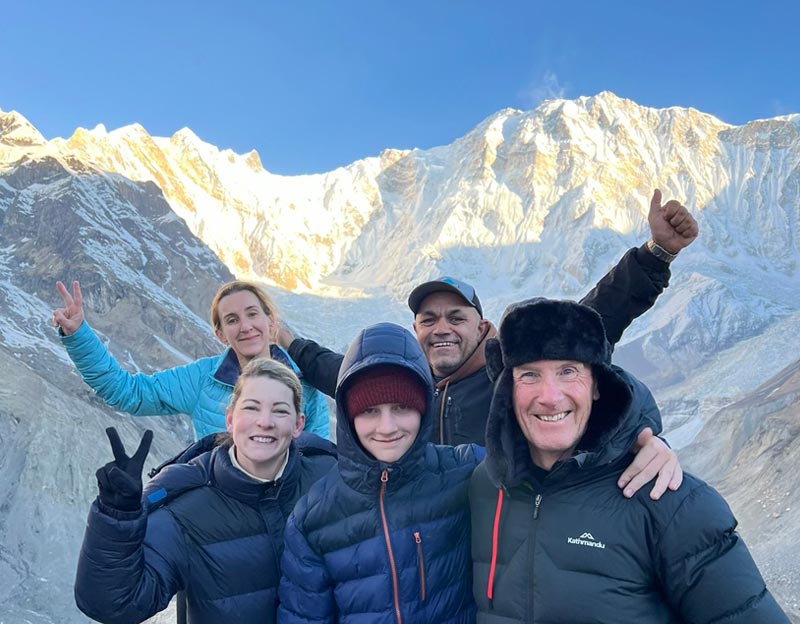
You do not need to be an athlete to complete the ABC trek. However, you do need a baseline level of cardiovascular fitness and muscular endurance in your legs. Here’s an honest assessment:
You are ready if you can:
- Walk 15–20 km comfortably in a day
- Hike for 5–6 hours with a 6–8 kg pack
- Climb stairs without stopping for 10+ minutes
- Complete a 3–4 hour hike on uneven terrain
- Do 4 weeks of consistent cardio training
- Maintain pace on an uphill for 1–2 hours
The trek will be very hard if you:
- Cannot walk 5 km without fatigue currently
- Have untreated heart or lung conditions
- Have never hiked on uneven terrain
- Have less than 4 weeks to prepare
Training recommendation: 6–8 weeks before departure, aim for 3–4 cardio sessions per week, hilly walks, stair climbing, or cycling. Include two longer weekend hikes of 15+ km each to condition your feet and joints. Strength training for quads and glutes helps significantly on steep descents.
Recommended 11-Day Itinerary for Beginners
Most experienced trekking guides recommend 10–12 days for first-timers. A slower pace improves acclimatization, reduces injury risk, and allows more time to genuinely experience the trail. Rushing this trek is the single most common mistake beginners make.
| Days | Itinerary | Max Altitude | Note |
|---|---|---|---|
| 1 | Arrival in Kathmandu | 1,350m/4,429ft | Arrival and Preparation |
| 2 | Fly from Pokhara; Drive to Ghandruk | 1,940m/6,365ft | Scenic flight and village immersion |
| 3 | Ghandruk to Chhomrong | 2,170m/7,120ft | Gradual Start |
| 4 | Chhomrong to Bamboo | 2,310m/7,579ft | Enter forested trail, river crossings |
| 5 | Bamboo to Deurali | 3,230m/10,598ft | Narrow valley, steady altitude gain |
| 6 | Deurali to Annapurna Base Camp via Machhapuchhre Base Camp | 4,130m/13,551ft | Alpine zone, glacier basin |
| 7 | Annapurna Base Camp to Bamboo | 2,310m/7,579ft | Descent through bamboo and forest |
| 8 | Bamboo to Jhinu Danda | 1,760m/5,775ft | Relax at natural hot springs |
| 9 | Trek to Mathque; drive to Pokhara | 827m/2,713ft | Scenic drive to Pokhara |
| 10 | Fly to Kathmandu | 1,350m/4,429ft | Return flight, leisure time |
| 11 | Final Departure | Departure |
For a more detailed, day-by-day breakdown of this journey including route insights, accommodation standards, and what to expect on the trail, explore our full Annapurna Base Camp Trek. This comprehensive guide helps you understand the experience beyond the outline, so you can plan your journey smoothly with Himalayan Glacier.
Plan Your Annapurna Base Camp Trek with Confidence
First trek? We’ve got you covered. Get a fully guided, beginner-friendly itinerary with permits, stays, and expert support, no guesswork, no stress.

Best Time of Year for Beginner Trekkers
Season choice dramatically affects trail conditions, visibility, and overall difficulty. For a first-timer, timing matters more than for experienced trekkers who can adapt.
1. Autumn (October – November) – Best Season
Clear skies, stable weather, excellent mountain views. The busiest season and the safest, most beginner-friendly. Trails are well-maintained.
2. Spring (March – May) – Best Season
Rhododendrons in bloom, good visibility, warming temperatures. Slightly more cloud in the afternoons but excellent for first-timers.
3. Winter (December – February) – Possible
Cold at altitude (−10°C at ABC at night), potential snow above 3,000 m. Possible for fit beginners with proper gear and a guide.
4. Monsoon (June – September) – Avoid for beginners
Heavy rainfall, leeches, slippery trails, obscured views, landslide risk. Not recommended for first-time trekkers.


Essential Gear for First-Time Trekkers
You don’t need expedition-grade gear, but the wrong choices will make this trek miserable. These are non-negotiables for a beginner:
Must-have gear
- Broken-in hiking boots (ankle support)
- Trekking poles (essential for descents)
- Sleeping bag rated to −10°C
- Moisture-wicking base layers (2–3 sets)
- Insulated mid-layer jacket
- Waterproof outer shell jacket
- Warm hat, gloves, buff
- Headlamp + spare batteries
- Reusable water bottle + purification tablets
- Basic first aid kit + blister kit
- Sunscreen SPF 50+ and lip balm
- Diamox (discuss with doctor pre-trek)
Beginner tip: Do not buy new boots for this trek. Wear your hiking boots on multiple 10+ km hikes before departure. Blisters from new footwear are one of the most common reasons beginners struggle or drop out in the first three days.
Altitude Sickness: What Beginners Need to Know
Acute Mountain Sickness (AMS) is the primary health concern on the ABC trek. Because the trail ascends rapidly in the upper section, first-timers need to recognize symptoms and know the correct response.
Common AMS symptoms above 3,000m/9,842ft
- Headache (most common)
- Nausea or loss of appetite
- Fatigue beyond expected effort
- Dizziness or lightheadedness
- Difficulty sleeping
- Shortness of breath at rest
The golden rule: Never ascend with AMS symptoms. If symptoms appear, rest at the same altitude for 24 hours. If symptoms worsen, descend immediately. No view is worth a medical emergency. Discuss Diamox (acetazolamide) as a prophylactic with your doctor before departure.
The 11-day itinerary above is specifically designed to build in gradual elevation gain and rest time. Beginners who rush to ABC in 7–8 days dramatically increase their AMS risk.
Do You Need a Guide? (Honest Advice for Beginners)
As of 2023, solo trekking in the Annapurna Conservation Area without a licensed guide is permitted. But for beginners, hiring a local guide is strongly recommended for these reasons:
- Navigation on side trails is confusing
- Guides recognize AMS before you do
- Emergency assistance and evacuation support
- Local knowledge on weather and route conditions
- Tea house booking assistance in peak season
- Cultural context and language support
A licensed guide costs approximately $25–$35 USD per day. If budget is a concern, consider a porter-guide. For first-timers, this is genuinely one of the best investments you can make.
Permits Required
Every trekker regardless of experience needs two permits before entering the Annapurna region:
- ACAP (Annapurna Conservation Area Permit): NPR 3,000 (~$23 USD)
- TIMS Card (Trekkers’ Information Management System): NPR 2,000 (~$15 USD)
Both can be obtained in Pokhara at the Nepal Tourism Board office or through a registered trekking agency. Carry passport photos and copies of your passport. Checkpoints along the trail will verify your permits, do not attempt to trek without them.
Get Your Personalized Annapurna Base Camp Quote
Skip the planning stress. Get a custom ABC trek plan with exact costs, best dates, permits, and expert guidance tailored to your fitness, timeline, and budget.
Frequently Asked Question
Yes, with adequate preparation. The ABC trek does not require technical skills, rope work, or prior high-altitude experience. What it does require is physical preparation, cardiovascular fitness and leg endurance built over 6–8 weeks before the trek. Beginners who prepare properly and choose a 10–12 day itinerary with a qualified guide complete this trek every day during peak season.
The most important factors for success are: appropriate fitness, gradual acclimatization (don’t rush), good footwear that is already broken in, and awareness of altitude sickness symptoms.
You should be able to comfortably walk 15–20 km in a day on uneven terrain before attempting this trek. The daily effort on the ABC trail involves 5–7 hours of hiking, often on steep stone steps, with a daypack of 6–8 kg. If you can complete a 3–4 hour hike without excessive fatigue, you have a reasonable starting base to build on with 6–8 weeks of training.
Running, cycling, stair climbing, and long weekend hikes are all effective preparation activities. Strength training for quadriceps and glutes is especially valuable for the long descents.
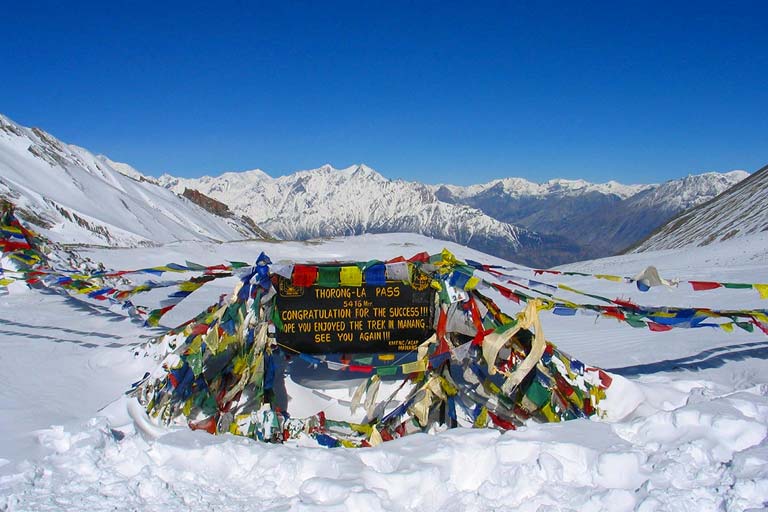
The highest point on the standard ABC trek is Annapurna Base Camp itself, at 4,130 m (13,549 ft) above sea level. This is significantly lower than Everest Base Camp (5,364 m) and Thorong La Pass on the Annapurna Circuit (5,416 m), making it a more manageable altitude objective for first-timers.
Altitude sickness can still occur above 3,000 m which the trail crosses around Day 5–6 so acclimatization remains important. However, the lower maximum elevation means the severity and likelihood of serious AMS is considerably reduced compared to higher-altitude treks in Nepal.
The standard itinerary is 10–12 days for most trekkers, including travel time from Pokhara. Some experienced trekkers complete it in 7–8 days, but this pace is not recommended for beginners, the faster ascent profile significantly increases altitude sickness risk and reduces enjoyment of the journey.
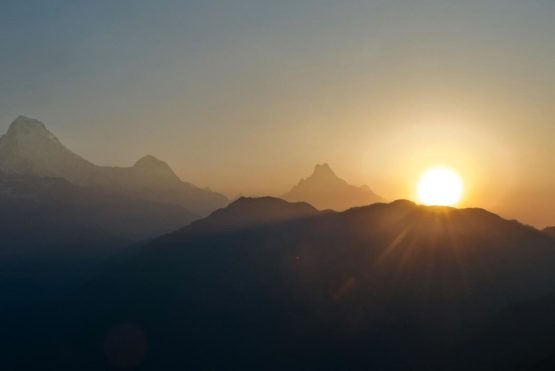
For first-timers, 11 days is the sweet spot: enough time to acclimatize properly, visit Poon Hill for a spectacular sunrise panorama, and enjoy the trail without feeling rushed.
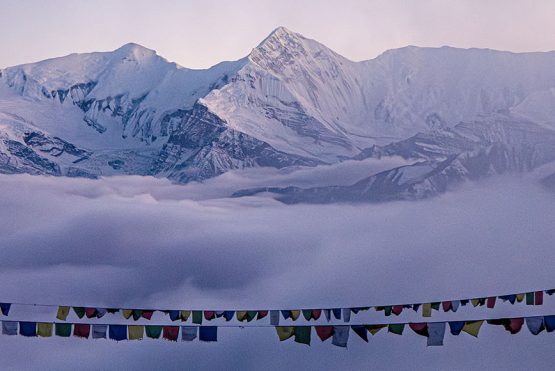
Autumn (October–November) is the best season for beginners. Weather is clear and stable, views of Annapurna I, Machapuchare (Fishtail), and Hiunchuli are at their most spectacular, and trail conditions are optimal. Spring (March–May) is equally good, trails are lined with rhododendron blossoms and temperatures are pleasant.
Avoid the monsoon season (June–September) as a first-timer. Leeches, slippery trails, poor visibility, and landslide risk make the experience unnecessarily difficult and potentially dangerous.
Solo trekking in the Annapurna Conservation Area is legally permitted and the main trail is well-marked. However, for beginners specifically, hiring a licensed local guide is strongly recommended. Guides provide altitude sickness monitoring, emergency support, navigation assistance on side trails, and cultural context that significantly enriches the experience.
The cost ($25–$35 USD per day) is modest relative to the total trip investment. For a first-timer, a guide is genuinely one of the best investments you can make toward a successful and safe trek.
Total costs for a 10–12 day ABC trek typically fall between $1450–$2500 USD for an independent trekker, including permits, guide/porter fees, accommodation, meals, and transport from Kathmandu. This does not include international flights, travel insurance, or gear.
Booking through a reputable local trekking agency for an all-inclusive package costs $900–$1,400 USD and simplifies all logistics, a worthwhile option for first-timers who prefer not to manage bookings and permits independently.
The three biggest risks for beginners are altitude sickness, knee injury on descents, and blisters from poorly fitted or new footwear. Trekking poles are essential for protecting the knees on long stone-step descents, particularly from ABC back down to Bamboo on Day 9. Always break in hiking boots with multiple long hikes before departure.
Beyond physical risks, beginners also frequently underestimate the daily hours of walking. Build rest days into your itinerary, start walking early each day (by 7–8 AM), and pace yourself conservatively for the first three days until your body adjusts to the altitude and terrain.