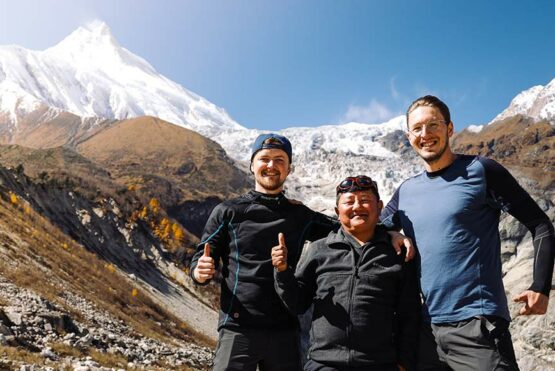
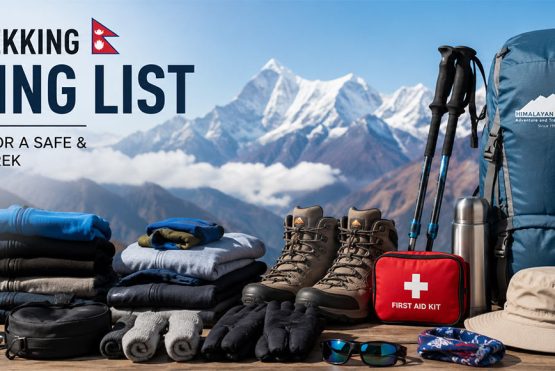
Yes. Nepal is generally safe for American tourists in 2026. The US Department of State currently rates Nepal at Level 2: Exercise Increased Caution, primarily due to occasional political demonstrations and trekking-related hazards like altitude sickness. Millions of international visitors, including thousands of Americans, travel to Nepal each year without serious incident. With proper preparation, good travel insurance, and awareness of local conditions, Nepal is a rewarding and manageable destination.
| 1M+ Foreign tourists visited Nepal (2024–25) | Level 2 US State Dept Advisory Rating | 5,364m Everest Base Camp elevation (17,598 ft) | $30–100 Average daily budget (USD) |
Nepal sits at the crossroads of the Himalayas and ancient history: home to Everest, 10 UNESCO World Heritage Sites, and some of the most spectacular trekking on earth. But for American travelers, one question always comes first: is it safe?
Nepal travel safety in 2026 is better understood through specifics, not headlines. The country is not a war zone. Violent crime targeting tourists is rare. The risks that do exist, altitude sickness, road accidents, petty theft, and fitful political unrest, are manageable with the right knowledge. This guide covers everything an American traveler needs to know before booking their Nepal trip.
What Does the US Travel Advisory for Nepal Actually Say?
The US Department of State classifies Nepal at Level 2: Exercise Increased Caution as of 2026. This is one step above the baseline and applies to dozens of popular destinations worldwide, including France, Germany, and Japan during certain periods.
What “Level 2” means in practice
A Level 2 advisory does not mean “avoid traveling.” It means travelers should stay informed, register with the US Embassy via the Smart Traveler Enrollment Program (STEP), and take standard precautions. The specific concerns cited for Nepal include:
- Political demonstrations that can occasionally turn disruptive
- Strikes (known locally as “bandhas”) that may affect transportation
- Trekking risks including altitude sickness and weather changes
- Petty theft in crowded tourist areas like Thamel, Kathmandu
ACTION STEP FOR AMERICAN TRAVELERS: Register your Nepal trip at step.state.gov before departing. It’s free and ensures the US Embassy can contact you in any emergency. Americans in Nepal can also reach the Kathmandu Embassy.
Is Nepal’s Political Situation Dangerous for Tourists?
Nepal has a history of political transitions, but the situation in 2026 is relatively stable. Nepal civil unrest is real but infrequent, and it rarely targets foreign visitors directly.
What tourists should know about bandhas and protests
- Bandhas (general strikes) can shut down transportation, shops, and public services for a day or two
- They are usually announced in advance and are largely peaceful
- Tourist areas like Thamel in Kathmandu are typically exempted or less affected
- Your hotel staff will always know if a bandha is expected, ask the night before any travel day
GUIDE RECOMMENDATION: Our local guides recommend building at least one flex day into your Nepal itinerary. If a bandha falls on a travel day, use it to explore your current base, you won’t regret the extra time in Pokhara or Kathmandu.
What Is the Crime Rate for Tourists in Nepal?
Nepal has a low violent crime rate compared to most tourist destinations. Serious crimes against foreign tourists are uncommon and not a defining feature of the country’s safety landscape.
Common safety risks in Nepal for Americans
- Petty theft: Pickpocketing in busy markets, Thamel, and bus stations. Use a money belt and avoid displaying valuables
- Scams: Gem scams, fake trek agencies, overpriced taxis without meters, always pre-agree on prices
- Traffic accidents: Roads in Nepal are genuinely dangerous, pedestrian awareness is critical, and nighttime drives on mountain roads should be avoided
- Trekking accidents: Falls, altitude sickness, and weather-related emergencies are the most serious risk for American travelers in Nepal
Kathmandu safety tips that actually help
- Stay in well-reviewed guesthouses or hotels in Thamel or Lazimpat, these areas have strong tourist infrastructure
- Use Pathao or InDriver (Nepal’s rideshare apps) instead of unmarked taxis
- Avoid walking alone late at night in unfamiliar neighborhoods
- Keep digital and physical copies of your passport, visa, and insurance documents
- Always carry some Nepali rupees, many smaller restaurants and shops don’t accept cards
How Serious Is Altitude Sickness in Nepal?
Altitude sickness is the most significant health risk for American trekkers in Nepal, more so than crime or civil unrest. It is preventable and manageable, but should not be underestimated.
Key altitude points on popular treks
| Trek / Location | Max Elevation | AMS Risk Level |
| Kathmandu Valley | 1,400m / 4,600 ft | [LOW] |
| Annapurna Base Camp | 4,130m / 13,550 ft | [MODERATE] |
| Everest Base Camp | 5,364m / 17,598 ft | [HIGH] |
| Thorong La Pass (Annapurna Circuit) | 5,416m / 17,769 ft | [HIGH] |
| Langtang Valley | 3,870m / 12,700 ft | [MODERATE] |
Preventing altitude sickness. What actually works
- Acclimatize properly: Spend 2 nights in Kathmandu (1,400m) before flying to Lukla (2,860m)
- Follow the “climb high, sleep low” rule during your trek
- Ascend no more than 300–500m per day above 3,000m
- Stay hydrated: 3–4 liters of water daily at high altitude
- Consider Diamox (acetazolamide): Speak to your doctor before departure, it helps many trekkers acclimatize
- Never ignore symptoms: Headache, nausea, and dizziness that don’t resolve with rest are signals to descend
Altitude is the biggest risk in Nepal, so understanding prevention and symptoms is essential, read our full guide on High Altitude Sickness in the Himalayas before your trek.
MEDICAL ALERT! DO NOT IGNORE
High Altitude Pulmonary Edema (HAPE) and High Altitude Cerebral Edema (HACE) are life-threatening emergencies. If a trekker loses coordination, cannot walk a straight line, or seems confused at altitude, descend immediately and seek emergency evacuation. Do not wait until morning.
Do Americans Need Travel Insurance for Nepal?
Yes. Nepal travel insurance is absolutely essential. This is not optional. Helicopter evacuations from high-altitude treks cost between $5,000 and $20,000 USD and are not covered by standard US health insurance or Medicare.
What your Nepal travel insurance must cover
- High-altitude trekking (specify the maximum elevation of your trek)
- Emergency helicopter evacuation and medical repatriation
- Trip cancellation and interruption
- Medical treatment at Kathmandu hospitals
- Adventure activities if you plan to do rafting, paragliding, or climbing
GUIDE RECOMMENDATION
World Nomads and Travelex Insurance are popular choices among trekkers in Nepal. Most trekking agencies and the Nepal Tourism Board also recommend verifying your insurance covers altitude above 5,000m if you plan to attempt Everest Base Camp.
For a complete breakdown of what to look for, including helicopter evacuation and altitude coverage, read our Travel Insurance Guide for Nepal Treks.

Is Nepal Safe for Solo Female Travelers?
Nepal is considered one of the more welcoming destinations in Asia for solo female travelers. Most women report feeling safe in well-traveled trekking areas and tourist hubs. That said, awareness and preparation are always important.
Practical advice for solo female travel in Nepal
- Stick to reputable guesthouses with good reviews, read reports from other solo women travelers on TripAdvisor and Reddit’s r/solo travel
- Dress modestly outside tourist areas, covering shoulders and knees shows cultural respect and reduces unwanted attention
- Hire a licensed female guide if that makes you feel more comfortable, many are available through Kathmandu-based agencies
- Trek on popular, well-trafficked routes (EBC, Annapurna, Langtang) where tea houses are plentiful and other trekkers are always nearby
- Share your daily itinerary with someone you trust back home
- Trust your instincts, if a situation feels wrong, leave it
What most trekkers experience
Most solo female travelers in Nepal report that locals, especially in mountain villages are genuinely hospitable and protective of visitors. The biggest actual risk tends to be transportation: night time bus journeys and poorly marked routes.
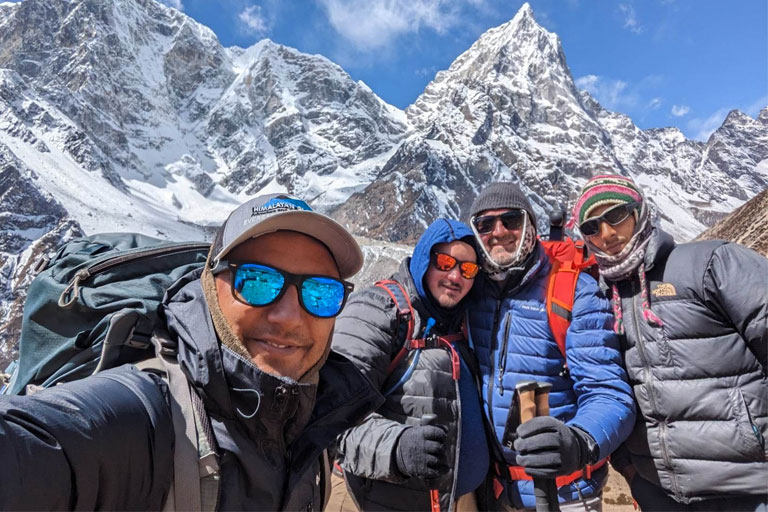
When Is the Safest and Best Time to Visit Nepal?
Nepal has two peak trekking seasons, both offering the most stable weather and the safest conditions for mountain travel.
| Season | Months | Conditions | Verdict |
| Autumn (Peak) | October – November | Clear skies, dry trails, excellent mountain views | [BEST] |
| Spring (Peak) | March – May | Warm, rhododendrons blooming, good visibility | [BEST] |
| Winter | December – February | Cold at altitude, quieter trails, lower prices | [MANAGEABLE] |
| Monsoon | June – September | Heavy rainfall, leeches on trails, flight delays | [AVOID TREKKING] |
Timing your trip well is one of the easiest ways to improve both safety and overall experience in Nepal. Weather, visibility, and trail conditions vary significantly throughout the year, especially for trekking. For a detailed breakdown of seasons, conditions, and what to expect month by month, check our guide on the Best Time to Visit Nepal.
Are There Any Active Nepal Travel Warnings Americans Should Know?
As of 2026, there are no Level 3 or Level 4 advisories for Nepal from the US State Department. The country-wide Level 2 advisory covers general caution rather than specific active threats. However, a few specific situations warrant attention:
- Border regions with Tibet: Areas near Tibet (Mustang, Rasuwa) require TIMS and restricted area permits and can have unpredictable closures, check current permit requirements before finalizing your itinerary
- Terai lowland roads: Some remote roads in the southern Terai can be affected by local disputes or flooding during monsoon, check with your operator
- Flight safety: Nepal’s aviation sector has had incidents historically. Fly only on reputable carriers and check current IATA records
- Earthquake preparedness: Nepal is Tectonically active. Know your guesthouse’s evacuation plan, most trekking tea houses are built with this in mind
SMART PREPARATION TIP
Download the “Smart Traveler” app from the US State Department before you leave. Enable Nepal-specific alerts. In Kathmandu, save the US Embassy number and the nearest hospital in your phone before your first trek day.
Ready to Plan Your Nepal Adventure?
Our expert Nepal travel team helps American tourists navigate permits, altitude safety, and logistics so your trek is memorable for all the right reasons.
Frequently Asked Questions (FAQ)
Yes. US citizens need a visa to enter Nepal. You can obtain a Tourist Visa on Arrival at Tribhuvan International Airport in Kathmandu. A 15-day visa costs $30 USD, 30-day costs $50 USD, and 90-day costs $125 USD. Bring US dollars in cash and a recent passport-size photo. You can also apply in advance through the Nepal e-Visa portal (nepaliport.immigration.gov.np).
Tap water in Nepal is not safe to drink. Use filtered, boiled, or bottled water throughout your trip. On the trail, carry a UV purifier (like a SteriPen) or iodine tablets. Reputable tea houses on major trekking routes provide boiled water, always ask before assuming water is safe.
Solo trekking is legal on most major routes, but Nepal introduced regulations in 2023 requiring trekkers on certain trails to hire a licensed guide. As of 2026, restricted area routes (Upper Mustang, Manaslu, etc.) require both a guide and permit. Even where guides aren’t mandatory, hiring one significantly reduces the risk of getting lost or encountering altitude emergencies unprepared. Our guides strongly recommend first-time Nepal trekkers hire a licensed guide.
Credit cards are accepted in upscale hotels, some restaurants in Kathmandu and Pokhara, and larger gear shops. However, most guesthouses, local restaurants, and mountain tea houses only accept cash (Nepali rupees). Withdraw rupees from ATMs in Kathmandu before heading to the mountains. Most Americans bring $200–$400 USD in cash as emergency backup.
The CDC recommends: Hepatitis A, Hepatitis B, Typhoid, and routine US vaccinations (MMR, tetanus). Japanese Encephalitis is recommended for longer rural stays. Rabies vaccine is worth considering if you’ll spend significant time outdoors or in rural areas. Consult a travel medicine clinic at least 4–6 weeks before departure. No vaccinations are required for entry into Nepal from the US.
Nepal is one of the most affordable destinations in Asia. Budget travelers can manage on $30–$50 USD/day. Mid-range travelers typically spend $60–$100/day.
For a more comfortable experience, standard travelers can expect to spend around $100–$180 per day, including better hotels, guided tours, and private transport. Luxury travelers, on the other hand, may spend $200–$500+ per day, depending on premium accommodations, private guides, domestic flights, and curated experiences like helicopter tours or high-end lodges.
A standard Everest Base Camp or Annapurna Circuit package with guide and porter runs $1,400–$3,500 USD for the trek portion. Flights from the US to Kathmandu (via Doha, Dubai, or Delhi) typically cost $700–$1,500 roundtrip depending on season.