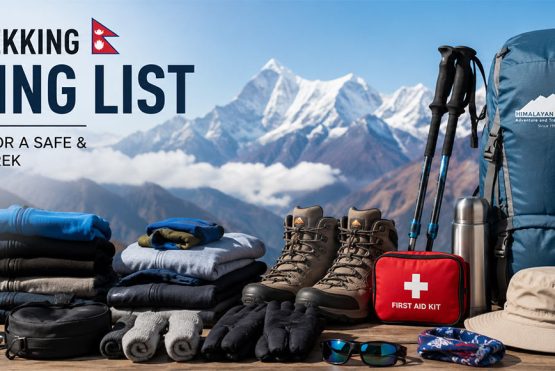
Altitude sickness on the Everest Base Camp trek is caused by rapid ascent above 2,500 m (8,200 ft). The most effective prevention is a slow acclimatization schedule, spending extra nights at Namche Bazaar (3,440 m/11,286ft) and Dingboche (4,410 m/14,468ft), following the walk-high-sleep-low principle, staying well hydrated, and recognizing early AMS symptoms before they worsen.
Everest Base Camp sits at 5,364 m (17,598 ft) above sea level. Getting there is a stunning 14-16 day journey through the Khumbu region of Nepal but altitude sickness can stop even the fittest trekkers in their tracks if ignored.
This guide is built for first-timers and experienced trekkers alike. Whether you are planning your trip or your family is worried about the risks, you will find clear answers, practical prevention steps, and medically informed advice written by people who have guided thousands of trekkers to Base Camp.
What Is Altitude Sickness and Why Does It Hit on the EBC Trek?
Altitude sickness, medically called Acute Mountain Sickness (AMS) happens when your body does not get enough time to adjust to lower oxygen levels at high elevation. It affects roughly 50% of trekkers on the Everest Base Camp trail at some point, regardless of fitness level.
The EBC trail climbs from Lukla at 2,860 m (9,383 ft) to Base Camp at 5,364 m (17,598 ft). That is a gain of over 2,500 m in just 7-9 days for trekkers who rush the itinerary.
Why Fitness Does Not Protect You From Altitude Sickness
This is one of the biggest misconceptions. Your cardiovascular fitness has almost no impact on how your body responds to altitude. A marathon runner is just as vulnerable as a casual hiker. The determining factor is how fast you ascend not how fit you are.
Our guides at Himalayan Glacier have seen ultra-marathon runners turn back from Lobuche while slower, well-acclimatized trekkers reached Base Camp without a single symptom.
What Are the Symptoms of Altitude Sickness on the EBC Trek?
Knowing the three levels of altitude illness can save your life. They progress from mild AMS to life-threatening HAPE and HACE.
Level 1: Acute Mountain Sickness (AMS)
AMS is the most common form. Symptoms usually appear 6-12 hours after arriving at a new altitude:
- Headache (most common early sign)
- Nausea or vomiting
- Fatigue and weakness
- Dizziness or lightheadedness
- Poor sleep or insomnia
- Loss of appetite
Level 2: High-Altitude Pulmonary Edema (HAPE)
HAPE is fluid buildup in the lungs. It is the leading cause of altitude-related death and can develop rapidly:
- Breathlessness even at rest
- Persistent dry cough or coughing up pink/frothy fluid
- Crackling or gurgling sounds when breathing
- Extreme fatigue and blue-tinged lips or fingertips
WARNING: HAPE is a medical emergency. Descend immediately at least 300-500 m (1,000-1,600 ft) and seek medical help. Do not wait for morning.
Level 3: High-Altitude Cerebral Edema (HACE)
HACE is swelling of the brain, the most severe and rapidly fatal form of altitude sickness:
- Severe persistent headache that does not respond to ibuprofen
- Confusion, disorientation, or irrational behavior
- Inability to walk in a straight line (ataxia)
- Loss of consciousness
WARNING: HACE requires emergency descent and dexamethasone injection. A Gamow bag (portable hyperbaric chamber) can buy time. This is a life-or-death situation.
AMS vs. HAPE vs. HACE – Quick Comparison
| Condition | Key Symptom | Action Required | Urgency |
|---|---|---|---|
| AMS (mild) | Headache, nausea | Rest, hydrate, no ascent | Monitor closely |
| AMS (moderate) | Severe headache, vomiting | Descend 300-500 m | Urgent |
| HAPE | Breathless at rest, cough | Descend immediately | Emergency |
| HACE | Confusion, can’t walk straight | Descend immediately + medication | Life-threatening |

How Can You Prevent Altitude Sickness on the Everest Base Camp Trek?
Altitude sickness prevention comes down to five proven strategies. Follow all five, not just one or two.
1. Climb Slowly – The Golden Rule
Above 3,000 m (9,843 ft), do not ascend more than 300-500 m (1,000-1,600 ft) per day in sleeping altitude. Rest days are not optional, they are medical necessities.
The recommended acclimatization stops on the EBC route are:
- Namche Bazaar (3,440 m / 11,286 ft) – 2 nights
- Dingboche (4,410 m / 14,469 ft) – 2 nights
- Lobuche (4,940 m / 16,207 ft) – 1 night
2. Walk High, Sleep Low
This principle is the backbone of every smart acclimatization day. During your rest days in Namche Bazaar or Dingboche, hike to a higher elevation (e.g., Everest View Hotel at 3,880 m or Nangkartshang Peak at 5,083 m) and return to sleep at your lodge. This stimulates red blood cell production without the risks of sleeping high.
3. Stay Hydrated
Drink at least 3-4 liters of water per day on the trail. Dehydration makes altitude sickness symptoms significantly worse and is one of the most overlooked risk factors.
- Avoid alcohol, especially in the first few days at altitude
- Limit caffeine – it is a diuretic and increases fluid loss
- Warm herbal teas (ginger, lemon) are excellent on trail
4. Consider Diamox (Acetazolamide)
Diamox is a prescription medication that speeds up acclimatization by making you breathe faster, increasing blood oxygen. It is widely used by EBC trekkers.
- Standard dose: 125-250 mg twice daily, starting 1-2 days before your ascent to high altitude
- Common side effects: increased urination, tingling in fingers and toes, taste alteration with carbonated drinks
- Do NOT take Diamox if you are allergic to sulfa drugs
- Always consult your doctor before use, get a prescription before your trip
Our guides at Himalayan Glacier recommend consulting a travel medicine physician at least 4-6 weeks before your trek. Many trekkers find that Diamox makes a significant difference, especially above 4,000 m.
5. Know When to Descend, Never Ignore Symptoms
The most dangerous thing a trekker can do is push through worsening symptoms. The golden rule of altitude safety is this: never ascend with symptoms of AMS. If symptoms worsen overnight or do not improve with rest and hydration after 24 hours – descend.
Plan Your EBC Trek with Expert Acclimatization Built In
Our Himalayan Glacier team designs every itinerary with medically informed acclimatization schedules. US-based support, local Nepali guides on ground.

What Is the Best Acclimatization Schedule for the EBC Trek?
A properly paced 14-16 day itinerary is the single best defense against altitude sickness on the Everest Base Camp trek. Here is the schedule our guides recommend:
| Day | Location | Altitude | Notes |
|---|---|---|---|
| 1 | Fly from Kathmandu – Lukla, trek to Phakding | 2,860 m / 9,383 ft | Gentle start |
| 2 | Trek to Namche Bazaar | 3,440 m / 11,286 ft | First major climb |
| 3 | Acclimatization day – Namche | 3,440 m / 11,286 ft | Hike to Everest View Hotel |
| 4 | Trek to Tengboche | 3,867 m / 12,687 ft | Visit monastery |
| 5 | Trek to Dingboche | 4,410 m / 14,469 ft | Khumbu Valley views |
| 6 | Acclimatization – Dingboche | 4,410 m / 14,469 ft | Hike Nangkartshang |
| 7 | Trek to Lobuche | 4,940 m / 16,207 ft | Khumbu Glacier views |
| 8 | Trek to EBC, overnight Gorak Shep | 5,364 m / 17,598 ft | Reach Base Camp! |
| 9 | Kala Patthar sunrise, descend to Pheriche | 5,545 m / 18,192 ft | Best Everest views |
| 10 | Pheriche to Namche Bazaar | 3,440 m / 11,286 ft | Descend |
| 11 | Descent to Lukla | 2,860 m / 9,383 ft | Faster descent pace |
| 12 | Fly to Kathmandu | 1,350m/4,429ft | Scenic flight |
What Medications Should You Carry for Altitude Sickness on the EBC Trek?
Your trek first-aid kit should include these altitude-specific medications. Discuss all of these with your doctor before departure:
- Diamox (Acetazolamide) – prevention and mild AMS treatment
- Ibuprofen (400-600 mg) – effective for altitude headaches
- Ondansetron – for nausea and vomiting
- Dexamethasone – emergency treatment for HAPE/HACE (injection form, guide administered)
- Nifedipine – emergency HAPE treatment (consult physician)
Himalayan Glacier guides are trained in Wilderness First Aid and Altitude First Aid. Our trekking teams carry a pulse oximeter, supplemental oxygen, and emergency medications on all EBC expeditions.
Using a Pulse Oximeter on the Trail
A pulse oximeter clips to your finger and measures blood oxygen saturation (SpO2). It is one of the most useful tools for monitoring altitude sickness risk.
| SpO2 Reading | Interpretation | Recommended Action |
|---|---|---|
| 95-100% | Normal at altitude | Continue trekking as planned |
| 90-94% | Mild reduction – watch closely | Rest, hydrate, do not ascend |
| 85-89% | Significant concern | Descend if no improvement in 6-12 hrs |
| Below 85% | Emergency level | Immediate descent + oxygen + medication |
How Does Altitude Affect Your Body Above 5,000 Meters?
Understanding what is happening inside your body helps you make better decisions on the trail.
At 5,000 m (16,404 ft), the air contains roughly 50% of the oxygen available at sea level. Your body responds by:
- Increasing breathing rate to take in more oxygen
- Elevating heart rate to pump more blood
- Producing more erythropoietin (EPO) to stimulate red blood cell production
- Changing fluid distribution which can cause swelling in the brain or lungs if unchecked
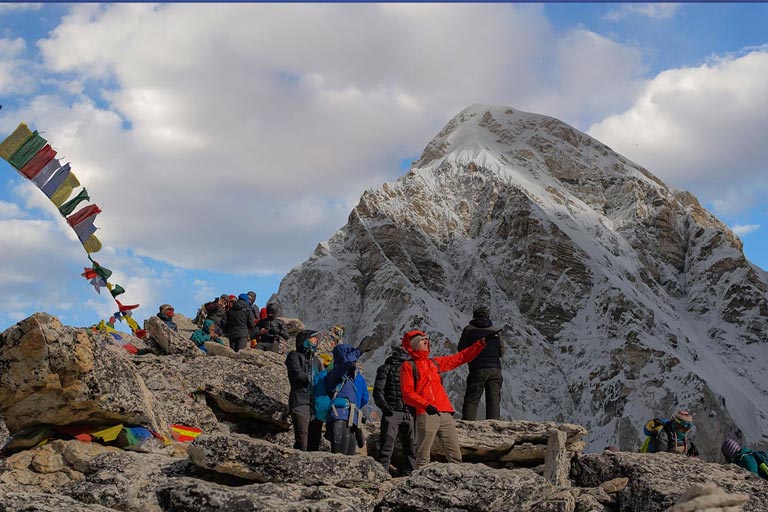
Full acclimatization to altitudes above 5,000 m takes 2-4 weeks. EBC trekkers spend only 1-2 days near Base Camp before descending which is why a gradual approach through the lower Khumbu villages is so critical.


Who Is Most at Risk for Altitude Sickness on the EBC Trek?
Anyone can develop altitude sickness but certain factors increase your risk:
- Previous history of AMS, the strongest predictor of future AMS
- Rapid ascent itinerary (completing EBC in under 10 days)
- Living at low altitude (sea-level residents take longer to acclimatize)
- Dehydration before or during the trek
- Alcohol consumption at altitude
- Sleeping at too high an altitude too soon
- Certain pre-existing heart or lung conditions
Age, gender, and physical fitness are NOT reliable predictors of altitude sickness risk.
Planning your EBC trip from scratch? Read our complete EBC Trek FAQ for itinerary, permits, cost, and gear guidance.
What Should You Do If You Get Altitude Sickness on the Trek?
The moment you or anyone in your group shows symptoms, act & do not wait.
For Mild AMS
- Stop ascending immediately, do not climb to a higher sleeping altitude
- Rest for the remainder of the day
- Drink 3-4 liters of water
- Take ibuprofen (400-600 mg) for headache
- Monitor symptoms every 2-4 hours
- Only continue if fully symptom-free after 24 hours
For Moderate to Severe AMS, HAPE, or HACE
- Descend immediately, even at night if necessary
- Descend at least 300-500 m (1,000-1,600 ft), more if needed
- Administer supplemental oxygen if available
- Use a Gamow bag (portable hyperbaric chamber) if descent is not immediately possible
- Administer dexamethasone (8 mg initial dose) for HACE
- Administer nifedipine for HAPE
- Evacuate to Kathmandu via helicopter if condition is serious
Never send a symptomatic trekker down alone. A Himalayan Glacier guide will always accompany any trekker who needs to descend.
How Much Does Altitude Sickness Affect Trekkers on the EBC Route?
Here is what research and field experience tells us about altitude sickness rates on the Everest Base Camp trail:
| Altitude Zone | Location | Approximate AMS Rate |
|---|---|---|
| 2,500–3,500 m (8,202–11,483 ft) | Lukla to Namche Bazaar | 10-20% |
| 3,500-4,500 m (11,483–14,764 ft) | Tengboche to Dingboche | 30-40% |
| 4,500-5,000 m (14,764–16,404 ft) | Lobuche to Gorak Shep | 50-60% |
| 5,000-5,400 m (16,404–17,717 ft) | Gorak Shep to Base Camp | 75%+ experience some AMS |
These rates drop significantly with proper acclimatization. Trekkers on well-paced itineraries with two acclimatization nights at Namche and Dingboche experience dramatically lower rates of severe AMS.
Trek EBC with Guides Who Prioritize Your Safety
Himalayan Glacier’s US-based team coordinates with our expert Nepali guides on the ground so you get world-class safety support the entire way.

What Is the Best Season to Trek to Everest Base Camp With Lower Altitude Risk?
Season matters for altitude sickness, cold temperatures at altitude can make symptoms worse and limit helicopter evacuation windows.
- Spring (March – May): Best season – stable weather, clear skies, warm temperatures
- Autumn (September – November): Second best – excellent visibility, moderate temperatures
- Winter (December – February): Cold and risky – temperatures at EBC can drop to -20 degrees C (-4 degrees F); emergency evacuations harder
- Monsoon (June – August): Poor visibility, leeches, trail conditions unpredictable
Our guides at Himalayan Glacier recommend spring (particularly late March to mid-May) for first-timers. The warmer temperatures reduce physiological stress at altitude, and evacuation infrastructure is at its most reliable.
Considering a scenic helicopter option? Learn about the Everest Heli Tour a great alternative for those with altitude concerns.
Frequently Asked Questions About Altitude Sickness on the EBC Trek
Yes, if untreated HAPE or HACE progresses without descent and treatment, it can be fatal. However, deaths on the EBC trail (as opposed to higher mountaineering routes) are rare when trekkers follow proper acclimatization schedules and descend at the first sign of serious symptoms. Choosing an experienced operator like Himalayan Glacier, who employs trained guides, significantly reduces this risk.
Some trekkers use Diamox preventively (starting 1-2 days before a significant altitude gain) while others take it only after symptoms appear. The evidence supports both approaches. If you have had AMS before, or if you are on a faster itinerary, preventive use is often recommended. Always consult your physician before taking Diamox.
Mild AMS typically resolves within 12-48 hours at the same altitude with rest and hydration. If symptoms worsen after 24 hours without improvement, descent is necessary. Trekkers who descend 300-500 m usually see dramatic improvement within a few hours.
A 10-day itinerary is possible but risky for most trekkers – it often skips critical acclimatization nights. Most altitude medicine specialists recommend a minimum of 12-14 days for EBC to include proper rest days at Namche Bazaar and Dingboche. Himalayan Glacier’s standard EBC itineraries are 14-16 days for this reason.
Coca tea (popular in parts of the Andes) is not available in Nepal. Ginger tea, lemon tea, and garlic soup are traditional Nepali remedies used in teahouses along the EBC trail. They may ease nausea and keep you hydrated, but they are not a substitute for proper acclimatization or Diamox.
Most adventure travel insurance policies cover emergency helicopter evacuation for altitude-related illness. Check that your policy specifically covers trekking above 5,000 m (16,404 ft). Companies like World Nomads and IMG Global are popular among EBC trekkers. Always carry your insurer’s emergency contact number with you on the trail.
Ready to Trek to Everest Base Camp Safely?
Himalayan Glacier combines US-based customer support with expert local Nepali guides who know every acclimatization protocol on the Khumbu trail. Your safety is our first priority.