The Bhutan Snowman Trek is recognized as one of the world’s toughest but equally remarkable treks, crossing elevations above 5,000 m(1,640ft). It extends from northern Bhutan’s uneven countryside and features high-altitude terrain, unpredictable weather conditions, remoteness, and breathtaking scenery lasting up to 24 to 30 days. The treks take you over eleven towering mountain peaks, including Mount Jomolhari, Mount Gangkar Punsum, and Mount Gangla Karchung, along with the most secluded and pristine landscapes of the Lunana region in Bhutan.
Further, the Snowman trek is named for the demanding himalayan passes and the snow-covered mountain they must navigate to complete the trek. Additionally, to complete this trek, trekkers must be physically fit and mentally strong. This expedition is not for the light-hearted person but for experienced trekkers. With a perfect combination of adventure, it is a trek that can be done by trek enthusiasts who have an unyielding desire to explore. Additionally, trekkers are rewarded with awe-inspiring vistas of towering peaks, verdant valleys, and untouched wilderness, creating a profound connection to nature.
Why is the Snowman trek considered the toughest?
The Snowman trek is considered one of the most strenuous treks in the world due to its unparalleled challenges, which involve passing through high-mountain passes to remote and isolated areas.
1. High Altitude:
The Bhutan snowman trek crosses 11 mountain peaks, most of which rise above 5,000m (16,400ft) in altitude. Due to its high altitude, the oxygen level declines rapidly, making every step challenging and increasing the risk of altitude-related sickness.
2. Extreme Weather Conditions:
At higher altitudes, the weather is unfavorable and changeable. During the Snowman trek, trekkers might face sudden snowstorms, freezing temperatures, and strong winds, especially at higher elevations. Additionally, the heavy snowfall might block major passes, and the trail becomes impassable.
3. Remote and Isolated:
This trek takes you into some of Bhutan’s most remote valleys, such as Lunana and Laya, which are far from main roads, villages, infrastructure, or emergency support. There are no lodges/tea houses available, and there is little chance of contact with the outside world. Likewise, once you’re on the trail, self-reliance and the support of a well-prepared team become crucial.
4. Long Duration:
The Snowman Trek, which lasts up to 24 to 30 days, tests stamina and mental endurance. Unlike shorter hikes, where rest days or early exits are options, this trek requires a long-term commitment and coping with regular movement, changing altitudes, and limited comforts.

Snowman Trek Route and Itinerary
Here is the detailed outline of the Bhutan Snowman Trek below:
Day 1: Arrive in Kathmandu (1,400m)
Day 2: Kathmandu – Cultural Sightseeing and Preparation
Day 3: Fly to Paro, Bhutan (2,250m)
Day 4: Acclimatization Hike to Tiger’s Nest Monastery (Taktsang)
Day 5: Drive to Sharna Zampa & Trek to Thangthangka (3,600m)
Day 6: Trek to Jangothang (4,080m)
Day 7: Acclimatization at Jangothang
Day 8: Trek to Lingshi (4,010m)
Day 9: Trek to Chebisa (3,880m)
Day 10: Trek to Shomuthang (4,220m)
Day 11: Trek to Robluthang (4,160m)
Day 12: Trek to Limithang (4,140m)
Day 13: Trek to Laya (3,840m)
Day 14: Rest day in Laya
Day 15: Trek to Rhodophu (4,350m)
Day 16: Trek to Narethang (4,900m)
Day 17: Trek to Tarina (3,970m)
Day 18: Trek to Woche (3,910m)
Day 19: Trek to Lhedi (3,700m)
Day 20: Trek to Thanza (4,150m)
Day 21: Rest day in Thanza
Day 22: Trek to Danji (4,240m)
Day 23: Trek to Tshorim (5,120m)
Day 24: Trek to Gangkhar Puensum Base Camp (4,970m)
Day 25: Trek to Geshe Woma (4,200m)
Day 26: Trek to Warathang (4,000m)
Day 27: Trek to Duer Tsachu (3,590m)
Day 28: Trek to Tshochenchen (3,850m), then to Duer Village
Day 29: Fly Bumthang to Paro, then to Kathmandu
Day 30: Final Departure from Kathmandu
So, if you are ready to do this adventurous trek, connect with the Himalayan Glacier team to personalize your Bhutan snowman trek based on your preferences. Our Bhutan specialists offer guidance and a customized itinerary and help accommodate your budget.

Best Time to do the Snowman Trek
The best time to do a Bhutan Snowman trek is between late September and early November. During this period, there are favorable weather conditions with clear skies and crisp mountain views. Similarly, the autumn adds a golden touch to the high-altitude landscapes with lush greenery. There is less risk of sudden snowstorms than at other times of the year.
Furthermore, avoiding the monsoon season (June to August) and the winter season (late November to February) is very important. During the monsoon season, heavy rainfall can trigger landslides, wash out trails, and make river crossings dangerous. Similarly, winter brings extreme cold and heavy snowfall, making the trek nearly impossible and slippery.
Take the First Step Towards Bhutan’s Legendary Trail
Be ready to take your first step towards the Bhutan Snowman trek with our seasoned guides and well-planned logistics!
Essential Permits and Regulations for Snowman Trek
Trekking in Bhutan, particularly on secluded trails such as the Snowman Trek, is governed by strict yet organized regulations to safeguard the nation’s culture, environment, and safety standards. Here’s what you need to know:
1. Visa Requirements:
International travelers (except citizens of India, Bangladesh, and the Maldives) must apply for a Bhutanese visa in advance. Similarly, you need a licensed Bhutanese tour operator to arrange your visa. They will handle your travel itineraries and all the logistics, including the tent required for the trek. Once approved, you’ll receive a visa clearance letter, which you must bring upon arrival in Bhutan to get your visa stamped into your passport.
2. Trekking Permits:
The Bhutan Snowman trek requires a special permit, especially since the route passes through restricted, high-altitude zones. However, you don’t need to obtain a permit, as your Bhutan tour operator will take care of these permits as part of your trip package.
3. Licensed Guide (Mandatory):
You cannot trek independently in Bhutan. A licensed Bhutanese guide must accompany you throughout the whole trek. Also, guides are trained in high-altitude environments; they know the terrain, prioritize safety, and ensure your trek runs smoothly and safely.
4. Travel Regulations:
All travel arrangements must go through a licensed local agency, which will cover your accommodation, transport, meals, and trekking support team, including guides, porters, and cooks. This ensures a safe and seamless Bhutan travel experience.
5. Sustainable Development Fee (SDF):
Bhutan charges a Sustainable Development Fee (SDF) to promote sustainable tourism, preserve its pristine environment, and support local communities. The charge is $100 per person per day. It is a part of your total trip cost and is handled by your tour operator.
Is Bhutan travel expensive?
Bhutan has a unique sustainable tourism policy, with fixed daily rates that cover all the guides, meals, and accommodation. For more detailed information, check out the guide on Bhutan trip costs and start planning your Bhutan travel hassle-free.
Physical Preparation and Gear Lists
For a trek to be successful, trekkers need to be physically fit and prepare themselves for the adventurous terrain.
- Endurance Building: As you have to walk for long hours daily during the trek, you must engage in high-altitude hiking or incorporate uphill treks or climbing ascents while exercising.
- Strength Training: Trekkers must enhance leg and core strength through squats, lunges, and planks. This training might help them stabilize on uneven terrain.
- Altitude Training: Trekkers must include hiking at higher elevations to acclimatize and adjust their bodies to lower oxygen levels and to prevent high-altitude related diseases.
- Balance and Flexibility: You can also practise yoga or similar exercises to improve coordination and prevent any injury.
- Mental Preparation: You must build resilience with mindfulness or meditation techniques to help navigate challenges during the trek.
Gear and Equipment Lists
Here is the comprehensive gear and equipment list that is required for the Bhutan Snowman trek below:
1. Clothing
- Insulated jacket (down or synthetic)
- Waterproof and windproof outer layers
- Thermal base layers (tops and bottoms)
- Trekking pants
- Warm gloves and socks
- Sturdy, waterproof, and comfortable trekking boots
2. Equipment
- Trekking poles (for stability on steep ascents and descents)
- Backpack with a rain cover (60–70 liters)
- Sleeping bag (rated for -20°C/-4°F temperatures)
- Headlamp with extra batteries
- High-quality tent (trekking agency will provide)
- Hydration system (bottles or reservoir)
- Portable water purifier or iodine tablets
- First aid kit (include altitude sickness medication)
Remember, our guides from Himalayan Glacier carry all the necessary first aid kits and tent equipment for the trek. However, you must bring the medications recommended by your doctor.
3. Personal Essentials
- Sunglasses (UV protection)
- Sunscreen and lip balm (SPF 50+)
- Moisture-wicking neck gaiter or balaclava
- Toiletries and hygiene items
4. Food and Supplies
- High-calorie snacks and energy bars
- Energy Drinks
- Trail mix (nuts, dry fruits, and seeds)

What to Expect on the Bhutan Snowman Trek?
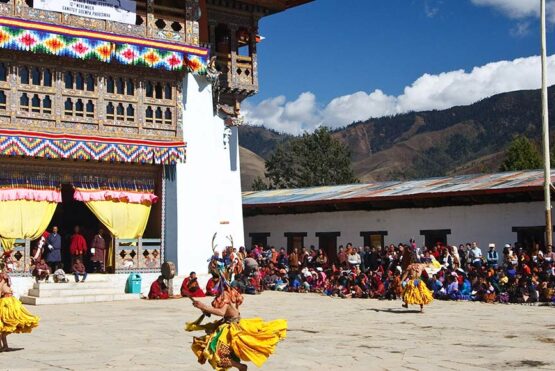
The Bhutan Snowman trek offers a perfect opportunity to connect with Bhutan’s deep culture. Also, it allows you to meet with Bhutanese nomads in remote Himalayan areas, especially in a village like Laya. These villages perfectly showcase their vibrant traditions, from their intriguing lifestyle that is unaffected by the modern world. During your trek, you see their way of living amid the beautiful mountain scenery.
Furthermore, the Snowman trek is a haven for nature lovers. Trekkers also have an opportunity to spot blue sheep grazing and takins (Bhutan National Animal), and even have a chance to witness rare snow leopards. Moreover, the trail features a variety of bird species and alpine flora, showcasing the region’s pristine wilderness.
Lastly, due to the lack of modern infrastructure, camping is the only accommodation available during the whole trek, as the trek is located in a remote area. Likewise, this experience deepens your connection with nature and highlights Bhutan’s untouched and pristine natural beauty.


Conclusion
The Bhutan Snowman Trek challenges adventurers with its high-altitude passes, remote terrain, and harsh weather, demanding physical and mental strength. Those who complete this trek are rewarded with breathtaking Himalayan views, vibrant Bhutanese culture, and a deep sense of achievement.
However, if you feel unprepared for the Snowman Trek, you can explore Bhutan’s famous alternatives. The Jomolhari Trek is a shorter high-altitude adventure, the Druk Path Trek offers a moderate hike, and the Dagala Thousand Lakes Trek provides tranquility among beautiful lakes, each catering to different experience levels. You can also check out our Bhutan Travel Guide for a hassle-free and safe trip.
Ready for the Ultimate Adventure?
If you are ready for a life-changing adventure, let our local Bhutan experts help you plan, prepare, and guide you in conquering the legendary Snowman Trek
👉 Talk to an Expert!
FAQs about the Bhutan Snowman Trek
The trek is considered one of the difficult treks because it passes high mountain peaks at an elevation of 5,000m (16,404ft). Moreover, the trek takes 24 to 30 days to complete, with extreme weather conditions, remote locations, and limited access to emergency evacuations and supplies.
The snowman trek usually takes 24 to 30 days to complete. However, the exact durations depend on the weather conditions, route direction, and acclimatization requirements.
You need to be physically fit and mentally strong for the snowman trek. Similarly, you must have high-altitude trekking experience and regular training that includes cardio, endurance, and strength workouts. You should prepare for at least 3 to 6 months before the trek.
Since the trek is located in remote areas, camping is only available. Your trekking operators will provide tents, guides, porters, and meals during the trek.
Since the trek is challenging, it is not recommended for beginners. Additionally, previous high-altitude trekking experience and multi-day trekking are essential.
The Snowman Trek typically costs between USD 8,000 and 12,000 per person, depending on the tour operator, group size, and services included. Moreover, this price usually covers permits, guides, meals, camping, and the Sustainable Development Fee.