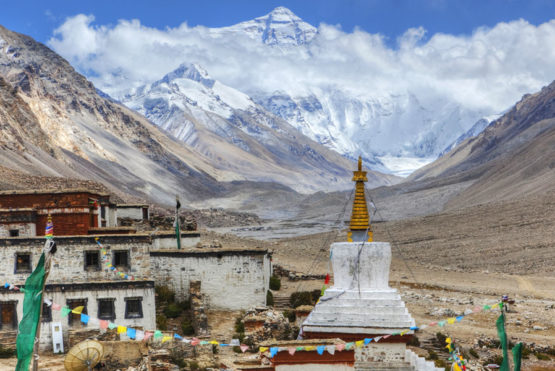
The Kumbum Monastery, also known as Ta’er Temple, is a popular Tibetan Buddhist monastery located in the city of Xining, Qinghai Province, China. It is one of the six great monasteries of the Gelug sect of Tibetan Buddhism and is renowned for its historical and cultural significance. Kumbum Monastery was founded in 1583 by the third Dalai Lama, Sonam Gyatso, and is closely associated with Tsongkhapa, the founder of the Gelug school of Tibetan Buddhism.
It is known for its stunning architecture, intricate artwork, and central stupa(pagoda) which is considered one of the most important religious monuments in Tibetan Buddhism. The most unique feature of Kumbum Monastery is its numerous chapels, halls, and prayer wheels, all adorned with beautiful murals, sculptures, and religious artifacts.
This monastery also hosts various religious festivals and events, attracting tourists and pilgrims from all over the world. This monastery has a significant role in the preservation of Tibetan Buddhist culture and teachings. The monastery is located in a picturesque location, making it a popular destination for travelers interested in Tibetan culture, art, and spirituality.
History of Kumbum Monastery
The story of Kumbum Monastery began in the 1360s when Tsongkhapa’s mother built a small temple and stupa on the spot where the great Tibetan teacher Tsongkhapa was born. Moving forward to 1560, a mediator named Tsondru Gyeltsen decided to create a small monastery in this place, it could hold only seven monks initially, but soon it became popular and more monks came.
Similarly, In 1576, a powerful leader named Altan Khan from the Tumed Mongols invited the 3rd Dalai Lama, Sonam Gyatso, to Mongolia to teach Buddhism. After Altan Khan embraced Buddhism, he gave Sonam Gyatso the title” Dalai Lama”, which means “ocean” in Mongolian. As the 3rd Dalai Lama journeyed to meet Altan Khan, he stopped at a peaceful place near the tree which is Tsongkhapa’s birthplace. Here, he dreamt of building a large monastery. In 1583, this dream became a reality and it is called Kumbum Jampa Ling.
Kumbum meant the promise of 1000,00 enlightening bodies of the Buddha, and Jampa Ling mean the Place of Loving-Kindness. The monastery continued to grow. The first leader, Duldzin Ozer Gyatso, played a vital role. By 1612, he became the head of the Monastery and established a debate college. Through the 20th century and beyond, Kumbum Monastery continues to show how important Tibetan Buddhism is and how it keeps on going strong.
Highlights of Kumbum Monastery
1. Golden Roof Hall (Great Jinwa Temple):
Explore the captivating features of Kumbum Monastery’s Golden Roof Hall (Great Jinwa Temple), where you can step into a space adorned with murals that depict significant moments from Buddha’s life. Inside, you’ll also be amazed by the silver pagoda of the statue of Tsongkhapa. It’s an experience that combines art, history, and spirituality.
2. Golden Roof Small Hall (Xiao jinwa si):
Go inside this hall and step into a world where animals are preserved, like big cows, antelopes, bears, monkeys, and even white horses. You’ll have a chance to know interesting stories about these creatures.
3. Great Meditation House(Da xing tang):
Find peace in the spacious prayer hall, beautifully lit and adorned with tapestries and beautiful paintings. Take a moment to think and be at peace.
4. Suyou Hua Tang:
Witness the art of Suyou Hua tang, a Tibetan art that has flourished for centuries. Enjoy the unique details and beautiful colors of the sculptures, especially during the Lantern Festival, where the best sculptures are showcased.
5. First Two Buildings:
Explore these buildings for fine art collections, beautiful paintings of large support columns, and fine gold, silver, and copper items. Let the craftsmanship and spirit of these products take you to other times.
6. The Great Hall of the Golden Roof(Da jinwa si):
Immerse yourself in the grandeur of this hall, adorned with murals depicting scenes from Buddha’s life. Marvel at the silver stupa containing a statue of Tsong Khapa, an important figure in Tibetan Buddhism.
7. The Lesser Hall of the Golden Roof (Xiao jinwa si):
Step into a world of taxidermy wonders as you explore this hall, featuring well-preserved specimens of bulls, antelopes, bears, monkeys, and a white horse. Learn the fascinating stories behind these animals.
8. The Great Hall of Meditation(Da xing tang):
Find tranquility in this spacious prayer hall, softly lit and adorned with silk tapestries and intricately carved pillars. Experience the peaceful atmosphere as you take a moment for reflection.
9. The Hall of Butter Sculptures (Suyou hua tang):
Explore the hall of butter sculptures, which hold profound religious importance as a traditional art form in Tibetan Buddhism.
10. The first two Halls:
Explore the first two halls. These structures are part of the Golden Roof complex and are adorned with artistic and religious elements, adding to the cultural richness of Kumbum.
Top Attractions of Kumbum Monastery
Kumbum Monastery, located in the heart of Tibet, presents an array of attractions for those seeking spiritual enrichment and a deeper understanding of Tibetan culture.
1. Golden Roof Hall (Jinwa Temple):
This magnificent hall is adorned with golden-covered copper tiles. Inside, you’ll find paintings depicting Buddha’s life and a precious silver pagoda protecting Tsongkhapa’s statue.
2. White Stupas:
The unique white stupas with golden roofs are iconic symbols of Kumbum Monastery. Each stupa represents a distinct phase in Buddha’s life, making them not just architectural wonders but also profound spiritual symbols.
3. Great Prayer Wheel:
This prayer wheel represents the deep devotion of Tibetans. Pilgrims and visitors can turn the wheel, sending their prayers into the universe and contributing to the spiritual energy of the monastery.
4. Chapels and Halls:
Explore the various chapels and halls filled with Tibetan art, religious items, and centuries of history. The artwork and sculptures offer insights into Tibetan culture and spirituality.
5. Buddhist Ceremonies:
Be sure to take advantage of the chance to witness or engage in traditional Tibetan Buddhist ceremonies and rituals. The enchanting chants, rituals, and the lighting of butter lamps provide a profound spiritual experience.
6. Thangka Paintings:
Admire the detailed thangka paintings on exhibit, showcasing the excellence of Tibetan artistry. These paintings depict Buddhist deities, stories, and teachings.
7. Scenic Surroundings:
Kumbum Monastery is nestled in the picturesque Amdo region. The nearby Qinghai Lake and the surrounding landscapes offer a captivating backdrop, enabling you to fully immerse yourself in the beauty of nature and the serenity of spirituality.
8. Pilgrims and Monks:
Interact with pilgrims and monks who contribute to the spiritual atmosphere of the monastery. Their presence and unwavering dedication add unique and authentic aspects to your experience.
9. Festivals and Celebrations:
Planyour visit to coincide with special festivals, such as the Great Prayer Festival (Monlam Chenmo), to observe and partake in lively religious traditions and celebrations.
10. Cultural Heritage:
Explore the extensive collection of religious texts, artifacts, and historical relics carefully preserved at Kumbum Monastery. This offers you a window into the rich culture of Tibet.
If you’re interested in discovering the top attractions in Tibet, be sure to explore our detailed guide on the Top Places to Visit in Tibet.
Best Time To Visit Kumbum Monastery
The best time to visit kumbum Monastery, also known as Ta’er Temple, depends on your preferences and the kind of experience you seek.
1. Spring(April – June):
Spring is the best season to visit the Kumbum Monastery. The weather is generally mild, with blooming landscapes and lush greenery. This season provides a comfortable environment for exploring the monastery.
2. Summer (July – August):
Summer brings warm and enjoyable weather to the region. The days are longer, allowing you to explore the monastery and its intricate details. However, it can be crowded during this season.
3. Autumn(September- October) :
Autumn is the best time to visit the Kumbum Monastery. In this season, the weather remains pleasant and offers vibrant scenery adorned with autumn foliage. Similarly, this season offers clear skies, making it a perfect time for photography.
4. Winter (November- March) :
If you prefer a quieter and more serene experience, this season is an ideal time to visit. This season offers snow-covered landscapes which adds a unique charm to the monastery. However, you should be prepared for colder temperatures.
It’s essential to consider your personal preferences and tolerance for weather conditions when planning your visit. Check the most of your trip, check the local weather forecast, and prepare for season variation.
Spiritual Significance of Kumbum Monastery
Kumbum Monastery was built on the birthplace of Tsongkhapa, the founder of the Gelug School of Tibetan Buddhism. The name “Kumbum” signifies the spreading of Buddha’s teachings to many, and the monastery is a pilgrimage destination. It hosts religious art, statues, and the annual Monlam Prayer Festival, to preserve and promote Tibetan Buddhist culture. Kumbum Monastery holds spiritual significance as a place of initiation, enlightenment, and the continuation of Buddhism.
Getting to Kumbum Monastery
To get to Kumbum Monastery, you can take a minibus from the west gate of Xining City Gymnasium in Dashizi, west of Xining. The bus departs every 30 minutes and costs 5 yuan. To enjoy the view, head to nearby Huangzhong and from there walk about 20 minutes uphill to the main entrance of the temple. The bus from Huangzhong Square to the city stops at 18:00. If you are looking for complete information while traveling in tibet be sure to check out our Tibet Travel Guide.
Accommodation around Kumbum Monastery
Accommodations and meals around the kumbum monastery can vary depending on your preferences and available options.
- Hotels and Inns:
Around the town of Huangzhong, you can find a range of hotels and inns that offer comfortable and various lodging options. These accommodations come with private rooms, attached bathrooms, and different amenities, catering to the trekker’s preference and budget levels.
- Homestays:
For a profound cultural experience, you can stay in homestay facilities. This allows you to learn about local hospitality and traditions, giving you a unique experience. These accommodations offer basic and comfortable rooms with amenities.
Meals around Kumbum Monastery
- Hotel Dining:
If you are staying at a hotel or inn in Huangzhong, they provide meals and breakfast. You can enjoy a variety of Tibetan and Chinese dishes, along with some international cuisines.
- Local Restaurants:
In the town of Huangzhong, you’ll find different restaurants serving both Tibetan and Chinese dishes. These restaurants serve both Tibetan and Chinese dishes. These offer a range of options, allowing you to enjoy different regional specialties and experience a mix of flavors.
- Street Food :
While exploring the area, you can find street vendors selling local snacks and local street food. Some popular street food items include momos(dumplings), yak meat skewers, thukpa(noodle soup), and butter tea.
Conclusion
Kumbum Monastery in Tibet is a special place. It’s not only beautiful but also very important to the tibetan people there. The buildings and art are amazing, and you can feel a sense of peace when you visit. The monks are friendly, and you can learn a lot about Tibetan culture and Buddhism. So, if you ever get the chance, visiting Kumbum Monastery is like going on a spiritual and cultural adventure that you won’t forget.
If you are planning to visit Kumbum Monastery, you can find a well-crafted itinerary that caters to your interests and preferences. When it comes to Tibet trips, there are several options to explore.