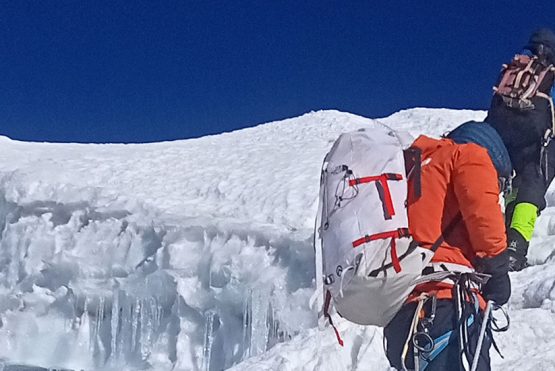
As a land of the Himalayas, Nepal is globally recognized as a first destination for mountaineering and high-altitude adventure. Beyond the world’s tallest peak, Mount Everest, Nepal is also home to ranges of mountains that are perfect for mountaineering, from beginners to experienced mountaineers. The country is filled with multiple technical climbing peaks requiring a good physical fitness level, stamina, and advanced mountaineering skills.
Technical climbing, as the name suggests, involves steep ascents, rocky terrain, and icy routes. It requires meticulous preparation with specialized climbing equipment such as crampons, ropes, ice axes, and protection gear. The climb often has rock, snow, glacier, and ice sections, where mountaineers must maintain physical endurance with advanced mountaineering and route-navigating skills.
Here is a comparison table highlighting the top 8 technical climbing peaks in Nepal that are ideal for experienced mountaineers. These peaks are selected based on their difficulty, altitude, terrain, and technical challenges faced during the ascent.
| Peak Name | Altitude (m/ft) | Region | Difficulty Level | Key Challenges |
| Ama Dablam | 6,812 m / 22,349 ft | Khumbu | Very Difficult | Exposed ridges, ice, and rock |
| Lobuche East | 6,119 m / 20,075 ft | Khumbu | Difficult | Mixed terrain, steep ice climb |
| Lobuche West | 6,145 m / 20,160 ft | Khumbu | Very Difficult | Rock and ice, crevasses |
| Khangtega | 6,782 m / 22,251 ft | Khumbu | Very Difficult | Alpine style, ice, and rock faces |
| Pumori | 7,161 m / 23,494 ft | Khumbu | Very Difficult | Ice walls, avalanche risk |
| Cholatse | 6,440 m / 21,129 ft | Khumbu | Difficult | Steep climbs, rock, and ice routes |
| Baruntse | 7,129 m / 23,389 ft | Makalu region | Very Difficult | Ice cols, technical ridgelines |
| Kyajo Ri | 6,186 m / 20,295 ft | Khumbu | Difficult | Mixed rock/ice, remote access |
1. Ama Dablam
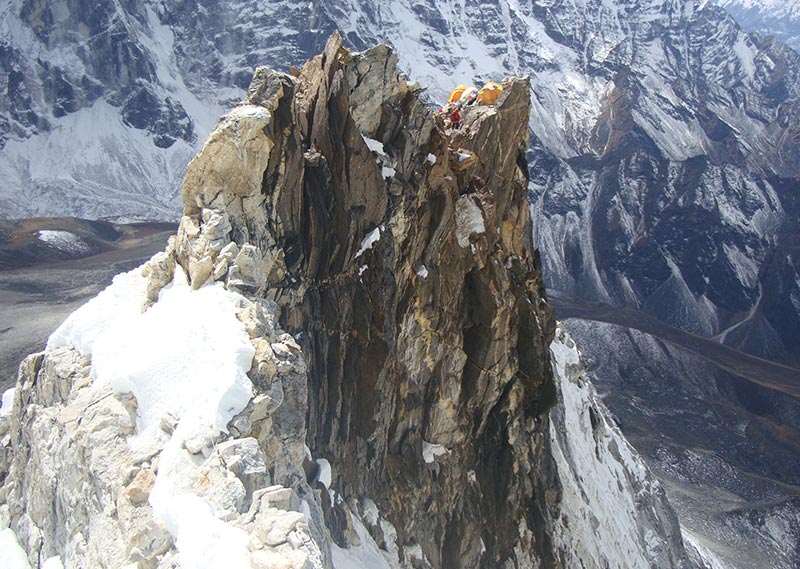
Ama Dablam (Mother’s Necklace) in Nepali is recognized as the “Mother of the Himalayas”. At 6,812m/22,349 ft, it is one of the most majestic peaks in Nepal because of its pyramid shape and hanging glacier. Despite being at a lower altitude, the climb to Ama Dablam is considered one of Nepal’s technical climbs, involving steep rock, knife-edge ridge, and ice sections.
The structure makes the expedition more challenging than some 7,000m peaks. The southeast ridge route of Ama Dablam passes through high-angle rock climbing and ice slopes, requiring climbers to be experts in both rock and alpine climbing techniques.
Highlights of Ama Dablam
- Unique structure with a pyramid shape and breathtaking views
- Witness the panoramic views of Mount Everest, Lhotse, Makalu, and other peaks
- One of Nepal’s technical climbs includes steep rock, ice slope, and mixed climbing.
- Rewarding climb with a sense of accomplishment
Facts about Ama Dablam
| Region | Khumbu |
| Altitude | 6,812 m / 22,349 ft |
| Difficulty Level | Very Difficult |
| Best Season | Spring (March to May) and Autumn (September to November) |
2. Lobuche East
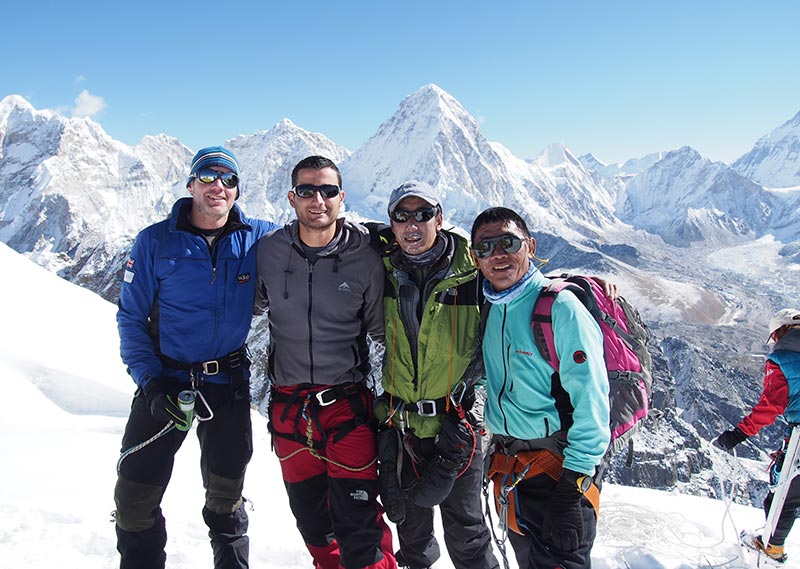
Lobuche East is one of Nepal’s most popular trekking peaks, located at an elevation of 6,119m/22,349ft. The peak is often overshadowed by nearby mountains, including Mount Everest and Lhotse, but it provides a challenging but rewarding climbing experience with spectacular views of the surrounding peaks.
The climb is considered technical as it includes a mixed terrain of rocky moraines, steep snow slopes, and icy ridges that require climbers to be skilled in using climbing gear like crampons, ropes, and ice axes. It demands skill in mountaineering, robust physical fitness, and mental resilience.
Highlights of Lobuche East
- Perfect for climbers with alpine expedition experience, rewarding with a real mountaineering challenge with rock, snow, and ice climbing
- Observe the close-up view of Mount. Everest, Lhotse, Nuptse, Ama Dablam, Pumori, and Khumbu Glacier
- Experience the culture of the Sherpa village and visit the monasteries
- Suitable for climbers with moderate expedition experience
Facts about Lobuche East
| Region | Khumbu |
| Altitude | 6,119 m / 20,075 ft |
| Difficulty Level | Difficult |
| Best Season | Spring (March to May) and Autumn (September to November) |
3. Lobuche West
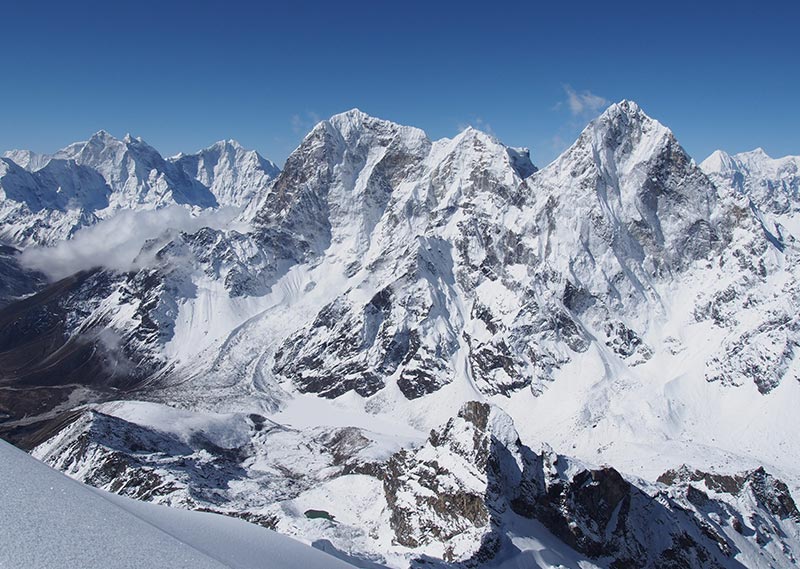
Lobuche West, another demanding expedition in Nepal, is a sibling of Lobuche East, situated in the Khumbu region. It is considered an Expedition peak and requires a separate permit and advanced mountaineering knowledge and skills. The climbing requires a high level of alpine climbing techniques, including ice climbing, steep snow ascent, and technical ridge navigation.
The expedition route entails a long, exposed ridge with moderate challenge. Climbers must be confident in their ropework, anchor setting, and decision-making under any circumstances. It often requires the use of fixed ropes and protection. The climb rewards those who are well-prepared and technically capable. It is best for climbers who aim to progress from trekking peaks to full expedition climbing.
Highlights of Lobuche West
- Technical expeditions featuring steep ice, snow, and rock sections, demanding advanced mountaineering skills
- Fewer crowds with a more secluded and authentic Himalayan expedition experience
- Witness the dramatic views of Everest, Lhotse, Makalu, Cho Oyu, and the surrounding Khumbu peaks from the Khumbu.
Facts about Lobuche West
| Region | Khumbu |
| Altitude | 6,145 m / 20,160 ft |
| Difficulty Level | Very Difficult |
| Best Season | Spring (March to May) and Autumn (September to November) |
Planning a Technical Expedition in Nepal?
Technical climbs require more than just strength, they demand experience, skill, and expert support. That’s where our Sherpa guides make all the difference. With their deep knowledge and proven expertise, they are key to a safe and successful summit.
4. Khangtega
Khangtega, also recognized as the Snow Saddle, is a mesmerizing and lesser-known peak located in the Khumbu region of Nepal. Along with Mount Ama Dablam and Thamsekru, the summit of Khangtega resembles a horse saddle, rising above Tengboche monastery. Even though the expedition is not as popular as other climbs, it is quite popular among seasoned alpinists as one of Nepal’s toughest and technical expeditions.
The route to Khangtega is not well-established and well-marked like other popular climbing routes. So, the ascent demands route-finding and alpine-climbing methods, and the mountain’s sides are guarded by sheer rock faces, hanging glaciers, and steep ice slopes. Climbers must navigate seracs, cornices, and crevassed sections to climb Khangtega, demanding advanced mountaineering skills.
Highlights of Khangtega
- Unique summit shape like the saddle, recognized as the Snow Saddle
- Witness the breathtaking views of Mount Everest, Lhotse, Ama Dablam, and Thamserku
- Witness the mesmerizing beauty of the Khumbu Glacier and icefalls
- Requires highly advanced mountaineering skills and full expedition preparedness.
Facts about Khangtega
| Region | Khumbu |
| Altitude | 6,782 m / 22,251 ft |
| Difficulty Level | Very Difficult |
| Best Season | Autumn (September to November) |
5. Pumori

Pumori(7,161m/23,494ft), popularly known as “Everest Daughter,” is a part of the Mahalangur range located just 8km west of Mount Everest. The peak stands above the Gorak Shep and Kala Patthar region and is admired by climbers and trekkers on the Everest Base Camp route for the snow-drapped ridges and mesmerizing silhouette.
The climb to Pumori is quite challenging, as climbers face long, sustained sections of 40° to 60° angled snow and ice, especially on the summit pyramid. Additionally, the southeast ridge route includes a range of technical sections, glacier passages, crevasse zones, and steep ascents. So, the summit push is highly exposed and physically demanding.
Highlights of Pumori
- Immerse yourself in Sherpa culture and experience their hospitality and customs
- Experience one of Nepal’s technical climbing routes, navigating through steep glaciers, snow-covered slopes, and ice walls
- Observe the mesmerizing close-up view of Mount Everest from a vantage point, especially from Camp III.
- Witness the stunning 360-degree summit views of Everest, Lhotse, Nuptse, Ama Dablam, Cho Oyu, and the Khumbu Glacier.
Facts about Pumori
| Region | Khumbu |
| Altitude | 7,161 m / 23,494 ft |
| Difficulty Level | Very Difficult |
| Best Season | Spring (March to May) and Autumn (September to November) |
6. Cholatse
Cholatse, one of Nepal’s most challenging and technically demanding peaks, is located between the Gokyo and Khumbu valleys of the Everest region. The name Cholatse originates from the Tibetan words Cho (lake), La (pass), and Tse (peak). The peak was first successfully ascended in 1982 through the southwest ridge, and from then on, it became recognized as a highly technical and rewarding challenge for experienced alpinists who want to gain extensive experience.
The climb requires a high level of alpine mountaineering skills as it presents near-vertical ice walls, rock sections, and narrow snow ridges. Also, the summit is open and technical, requiring strong rope management, robust physical fitness, and comfort with the exposure at high altitudes.
Highlights of Cholatse
- Witness the panoramic views of the Everest region and surrounding peaks
- One of the adventurous journeys, with steep slopes and technical climbing
- Experience Sherpa culture and interact with locals
- Cholatse is less crowded and best for climbers looking for solitude and an alpine experience
Facts of Cholatse
| Region | Khumbu |
| Altitude | 6,440 m / 21,129 ft |
| Difficulty Level | Difficult |
| Best Season | Spring (March to May) and Autumn (September to November) |
7. Baruntse
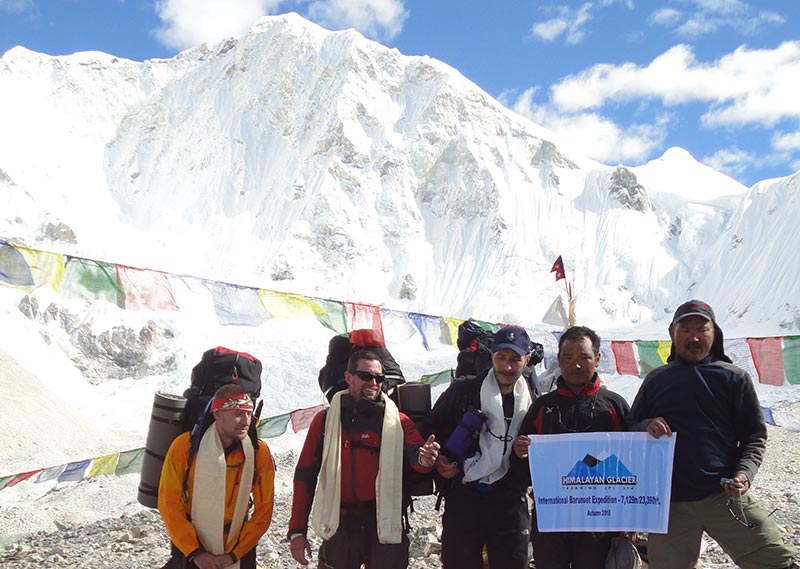
Baruntse (7,129m/23,389ft) is located between the Makalu and Everest massifs in the Makalu region of Nepal. The climb to Baruntse is a picturesque and demanding expedition peak in the heart of the himalayas. It provides a real himalayan expedition experience, including altitude, technical difficulty, and remoteness. The route passes through huge crevassed glaciers and demands proper navigation and rescue preparedness.
The expedition involves long, huge efforts on ice and snow slopes between 6,000 and 7,000 meters, demanding great stamina and acclimatization. It is not a trekking peak, it’s a serious climb that often prepares climbers for even greater expeditions like Everest or Makalu. The climb rewards climbers with physical triumph and a picturesque view of mountain scenery.
Highlights of Baruntse
- Full expedition experience with multiple high camps, glacier crossing, and high elevation
- Witness the stunning views and isolation in the heart of the untouched Barun and Hunku valleys
- Observe the magnificent mountain views of Everest, Makalu, Lhotse, and other peaks
- Encounter the unique Sherpa culture and traditions in the Everest region
Facts about Baruntse
| Region | Makalu |
| Altitude | 7,129 m / 23,389 ft |
| Difficulty Level | Very Difficult |
| Best Season | Spring (March to May) and Autumn (September to November) |
8. Kyajo Ri
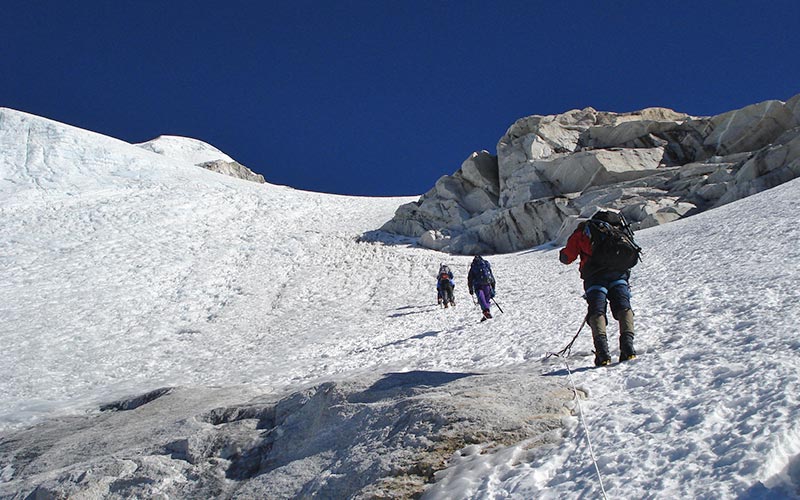
Kyajo Ri is a lesser-known peak in the Khumbu region of Nepal between the Thame and Gokyo valleys. The peak stands in the Mahalangur Himal range and was recently opened for mountaineering in 2002. Although it doesn’t reach the elevation of 7,000-meter peaks, Kyajo Ri is considered one of Nepal’s most technical trekking peaks because of its ridgelines, steep ascents, and demanding terrain.
The climb involves a mixed climb combining steep rock scrambling, snow slopes, and icy sections. The expedition includes a narrow, knife-edge ridge with exposure on both sides, requiring robust ropework, perfect balance, and comfort with higher elevations.
Highlights of Kyajo Ri
- Recognized for its sharp, defined summit and eye-catching beauty
- Witness the incredible views of the Himalayan range, including Everest, Lhotse, and Nuptse
- A less crowded and more secluded experience on the route
- Cross through Sherpa villages and interact with local people, and learn about their traditions
Facts of Kyajo Ri
| Region | Khumbu |
| Altitude | 6,186 m / 20, 295 ft |
| Difficulty Level | Difficult |
| Best Season | Spring (March to May) and Autumn (September to November) |
While the eight peaks listed above need technical climbing skills, strong fitness, and mental toughness, Nepal also has many easier peaks that are popular among climbers. Explore the best peak climbing in Nepal for a more balanced and beginner-friendly adventure.
How to Select the Right Peak for Your Experience Level
Well, there are many factors to consider when selecting the right peak based on your experience level. The main considerations include being physically fit and mentally strong, along with your level of mountaineering skills. Nepal offers a range of Himalayan peaks suitable for everyone from beginners to those proficient in mountaineering. You need to clearly understand the length of the climb, the level of difficulty, the required permits, and acclimatization.
Further, it is advisable to consult with experts, as they can provide valuable guidance on various routes and difficulty levels. They will help you assess your current skill level and choose expeditions accordingly. If you are seasoned climbers with advanced mountaineering skills in both alpine and rock expeditions, you can aim to summit peaks such as Lobuche West, Ama Dablam, and Cholatse. Conversely, if you are a beginner looking to climb an easier peak with an accessible route, you can consider peaks including Mera Peak, Island Peak, and Yala Peak.

Training and Preparation Tips for Technical Climbs
Here is the list of training and preparation tips for technical climbs below:
- Build Climbing Endurance: For balanced movement on a rugged terrain in the mountains, you should engage in lengthy hikes and cardio exercises. You can carry a weighted backpack and do stair climbing or running.
- Increase Strength: Focus on increasing the functional strength of the legs, core, and upper body by doing exercises like squats, pull-ups, and muscle and deadlifts to handle loads and gear.
- Hike/Climb Regularly: To make the most of your expeditions, you must engage in small hikes or climbs regularly. It helps you to familiarize yourself with increasing altitude. You can practise lead climbing, crack climbing, and multi-pitch sessions to tackle the challenge during expeditions.
- Advance Rope Skills: Learn and master skills like knots, belaying, rappelling, rope ascension, and anchor building. Also, learn about rope management and rescue methods for safety in technical conditions.
- Build a Positive Mindset: Along with physical fitness, having a positive mindset is very crucial. Practice being calm in hazardous situation, the visualization method, and decision-making skill.
- Understand Navigation and Routes: To make yourself familiar with the trail, thoroughly research the routes and how to navigate it by learning map reading and GPS use.
- Follow the Training Plan: You must follow a structured training plan with a proper 10 to 12 week plan with endurance, strength building, climbing practices, positivity, and advanced mountaineering skills.
Ready to Climb Nepal’s Most Challenging Peaks?
Start planning your expedition now with the right support and one-on-one guidance from dedicated climbing experts. Gain valuable insights about expeditions and ensure your safety and success.