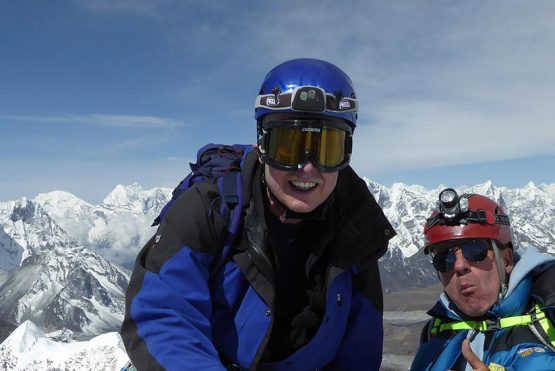
A Game Changer for Mountaineering Tourism
In a groundbreaking decision that’s set to redefine mountain climbing in Nepal, the Government of Nepal has officially waived climbing permit fees for 97 Himalayan peaks for the next two years. These newly opened mountains are located in the remote Karnali and Sudurpashchim provinces of western Nepal and range in elevation from 5,870 meters to 7,132 meters.
By removing the climbing royalty charges, Nepal aims to promote sustainable tourism, reduce overcrowding on iconic peaks like Mount Everest, and boost economic development in less-visited regions.
This historic initiative not only makes climbing in Nepal more accessible but also offers mountaineers the chance to explore untouched Himalayan terrain. In this article, you’ll discover what this policy means for climbers, which peaks are included, how to prepare for these remote expeditions, and the long-term impact on Nepal’s adventure tourism industry.
Why the Change Happened
- Overcrowding and Environmental Pressure on Famous Peaks
Peaks like Everest and other well-known 6,000–8,000 m summits receive a majority of climbers. This causes waste, safety issues, long queues, and impacts on fragile ecology. The permit fee increase on Everest (from USD 11,000 to USD 15,000 in peak season) signals that the government is simultaneously trying to manage demand. - Promoting Remote Regions & Equity
Karnali and Sudurpashchim are among Nepal’s poorest provinces, with difficult access, limited infrastructure, and low tourism. The free peaks policy is aimed at encouraging climbers to explore these regions, thereby bringing jobs, income, and development. - Encouraging Sustainable & Distributed Tourism
By offering free permits on less-known peaks, Nepal hopes to spread the load, reduce environmental burden, and preserve more popular trail corridors. It also gives mountaineers more choices. Training climbs and lower altitude peaks may serve as stepping stones. - Regulatory Changes & New Everest Requirements
Part of the policy includes proposals or rules that permit for attempting Mount Everest may require prior successful ascent of a ≥7,000m peak in Nepal. These newly freed peaks might become ideal candidates for that prerequisite.
What We Know: Facts & Figures
Here are essentials about this decision:
| Aspect | Details |
|---|---|
| Number of Peaks with Free Permit Fees | 97 peaks |
| Duration | Two years from implementation (mid-2025 to mid-2027) |
| Provinces Involved | Karnali (77 peaks), Sudurpashchim (20 peaks) |
| Elevation Range | Approximately 5,870m to 7,132m |
| Types of Peaks | Including 3 peaks above 7,000 metres; many technical and non-technical peaks; a mixture of possible trekking-climbs and more technical ascents. |
| Other Permit Changes | Everest peak permit fee raised to USD 15,000 in peak season; other lower peaks (outside free list) see fee increases. |
| Current Usage | Very low: in the past two years only ~68 climbers have attempted any of these peaks combined. |
Notable Free Climbing Peaks in Nepal
While the full list of all 97 peaks isn’t yet widely published, some well-documented peaks included are:
| Peak Name | Elevation (m) | Province | Difficulty / Highlights |
|---|---|---|---|
| Api Himal | 7,132 | Sudurpashchim | One of the highest in the free list; dramatic ridges, remote glaciers. |
| Saipal Himal | ~7,031 | Sudurpashchim | Isolated pyramid-like shape, challenging access. |
| Api West | ~7,076 | Sudurpashchim | Less crowded alternative, good technical climb. |
| Jethi Bahurani | ~6,850 | Sudurpashchim | Highly alpine, sharp features. |
| Bobaye Peak | ~6,808 | Sudurpashchim | Less trekked, pristine landscapes. |
| Nampa Peak / Nampa South | ~6,755 / ~6,580 | Sudurpashchim | Hidden gems; remote routes. |
These peaks stand as enticing alternatives for those seeking to experience high-altitude climbing with fewer crowds and novelty.
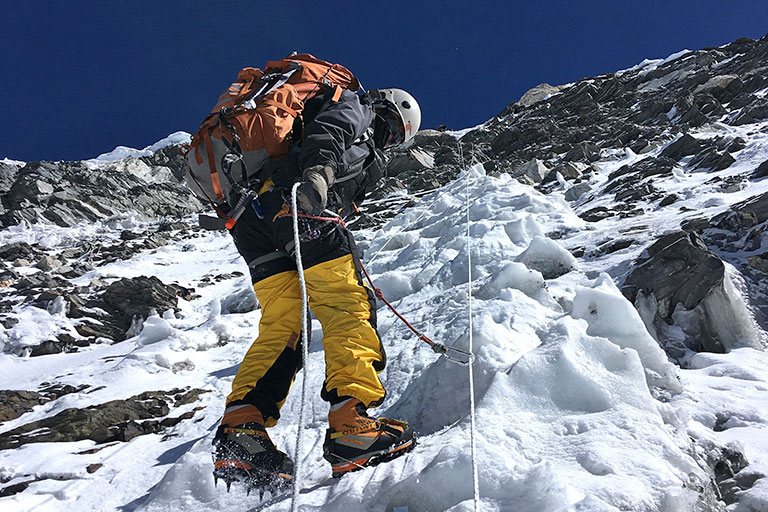
Implications for Climbers and the Mountaineering Community
Opportunities
- Reduced Costs: Permit royalty fees can represent a nontrivial part of total expedition cost. Free permits reduce the barrier for many.
- New Route Discovery: Many of these peaks are seldom climbed; opportunity for first ascents or new routes.
- Training & Experience: Useful for climbers wanting to gain experience at higher elevation before attempting bigger Himalayan giants.
- Cultural & Environmental Immersion: Remote regions bring chances to connect with less-exposed cultures and pristine wilderness.
Challenges / Considerations
- Logistics: Access to many of these peaks is difficult — poor roads, long treks, lack of infrastructure (lodging, rescue, medical). Climbers must plan precisely.
- Support Services: Guides, porters, gear supply are often scarce in remote Far West / Karnali regions.
- Safety & Rescue: Remote peaks mean emergencies are harder to manage; communication, acclimatization, weather forecasting are more challenging.
- Promotion & Information: For many climbers outside Nepal, these peaks are unknown, mapping and route info may be limited.

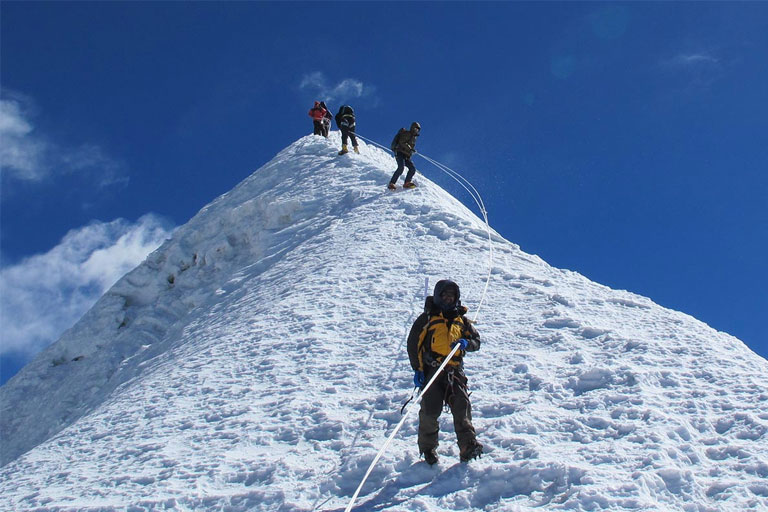

Connection with “Climbing in Nepal” and How This Fits Your Climbing Plans
For those interested in broader guidance:
- See Climbing in Nepal for details on logistics, expedition planning, and local agencies.
- For comparative inspiration, Best Peak Climbing in Nepal lists some of the most iconic peaks, these free ones offer contrast in remoteness and novelty.
- If you’re relatively new to high altitude, check Mountain Climbing in Nepal for Beginners to see lower-elevation options; some of these free peaks may suit fit beginners with prior trekking experience.
Build Your Skills for High Altitude
Thinking of tackling Everest someday? These free peaks offer perfect stepping stones. Gain experience, acclimatize, and train in real Himalayan environment.
Explore Beginner-Friendly & Training Peaks
Planning a Climb Under the New Free-Peaks Policy: What to Do
Here are steps and tips if you want to take advantage of this policy:
- Research & Select Peak
Choose based on challenge (altitude, technical demand), remoteness, season, weather. - Check Permit Details
While the climbing royalty is waived, you still need to register via the Department of Tourism and follow required regulations. - Season Choice
Spring (April–May) and autumn (September–November) are generally the best for Himalayan climbing. Monsoon season brings heavy rain, snow, and risk. Winter is possible but harsh. - Health, Safety & Acclimatization
Light trips for acclimatization, trained guides, proper gear, insurance. Remote rescue options should be considered. - Logistics & Travel
Plan transport to base village, food, lodging. Many free peaks lie far from well-served areas; budget time and resources for approach. - Environmental Responsibility
Practice “Leave No Trace,” minimize waste, respect local culture.

Potential Impact on Nepal’s Mountaineering Sector
- Economic Uplift in Karnali & Sudurpaschim: More climbers → more demand for guides, porters, homestays, food supplies, transport services. Local communities stand to benefit.
- Redistribution of Climber Traffic: If enough climbers take up free peaks, it may reduce human and environmental pressure on Everest, Annapurna, etc.
- Policy Experimentation: This two-year waiver acts like a pilot to see how remote mountaineering tourism works when cost barriers are lowered. If successful, approaches may be expanded or modified.
What We Don’t Yet Know / Open Questions
- The complete list of all 97 peaks, with standard routes, difficulty, and approach details.
- Whether infrastructure investment (roads, medical, rescue) will keep pace with increased interest.
- How weather and climate change will affect remote regions.
- How authorities will monitor and manage environmental impact, crowding, and safety in areas previously little visited.
Conclusion
The waiver of permit fees for these 97 peaks represents a transformative opportunity for climbers, adventure seekers, and Nepal alike. It opens up possibilities: for those who’ve dreamed of touching Himalayan ridges off the beaten path, for local communities yearning for sustainable tourism benefits, and for the environment in overloaded zones. But with rewards come responsibilities — as with any expedition, preparation, respect for nature and culture, and realistic planning are key.
Plan Your Climb: Explore the Free 97 Peaks
Discover routes, difficulty levels, and what you’ll need to gear up. Venture into less-traveled Himalayas and experience Nepal like never before.