Kailash Manasarovar Yatra 2026 for Indian citizens is one of the most spiritually powerful pilgrimages for devotees of Lord Shiva. Mount Kailash, believed to be the eternal abode of Mahadev, rises to 6,638 meters in western Tibet, while the sacred Lake Manasarovar symbolizes purity, karma cleansing, and spiritual liberation.
Due to geopolitical regulations and Tibet travel restrictions, Indian citizens must follow a specific permit and visa process before entering the Tibet Autonomous Region. Mount Kailash lies within China’s administrative control, and entry is strictly regulated through government-approved travel procedures.
For Indian passport holders, this sacred journey requires structured Tibet Travel Permit processing, Chinese Group Visa approval, and proper acclimatization planning. This complete guide explains the Kailash Manasarovar Yatra 2026 cost for Indian citizens, routes via Nepal, documents required, visa procedures, Kailash Parikrama details, health preparation, and booking process.
Is Kailash Manasarovar Yatra Open for Indian Citizens in 2026?
Yes. Indian passport holders can travel to Kailash Manasarovar in 2026 through Nepal organized routes, subject to:
- Tibet Travel Permit approval
- Chinese Group Visa issuance
- Medical fitness clearance
The Government of India (MEA) route via Lipulekh Pass operates separately under a lottery system and limited batches. Most pilgrims choose Nepal organized routes because departures are more predictable and logistics are smoother.
Best Routes for Indians in 2026
1) Overland Kailash Yatra via Kathmandu (Most Recommended)
Duration: 13–15 days
Starting Point: Kathmandu
Typical Route:
Kathmandu → Kyirong Border → Saga → Lake Manasarovar → Darchen → Kailash Parikrama (Kora) → return to Kathmandu
Why Indians choose this route:
- Gradual altitude gain = better acclimatization
- More comfortable journey by road
- Generally lower cost than helicopter route
- Ideal for first-time yatris
- Less risk of weather-related flight cancellations
2) Kailash Yatra by Helicopter (Faster, Weather-Dependent)
Duration: 9–11 days
Route Flow: Lucknow → Nepalgunj → Simikot → Hilsa → Taklakot → Kailash → return same way
Important reality check: Helicopter operations are highly weather-dependent, and delays are common. Currently, there are no scheduled departure dates, and bookings are accepted only for private groups of 25 pilgrims or more.

Estimated Kailash Mansarovar Yatra Cost 2026 for Indian Citizens
Below is the expected price range for 2026:
1. Overland Kailash Yatra via Kathmandu–Kyirong
USD 3,500 – 4,000 per person
2. Kailash Yatra by Helicopter
USD 4,500 – 5,500 per person
Package Inclusions for Indian Pilgrims
- Tibet Travel Permit
- Chinese Group Visa
- Accommodation (hotels/guesthouses as per route)
- Vegetarian meals in Tibet (Indian-style)
- Transport by tourist vehicle
- Guide (English/Hindi speaking, as available)
- Kailash & Manasarovar entry fees
- Oxygen support + staff support
Package Exclusions for Indian Pilgrims
- Flights to Kathmandu
- Personal expenses
- Pony/porter during Kora
- Travel insurance (highly recommended)
Documents Required for Indian Citizens
Indian citizens must have:
- Valid passport (minimum 6 months validity)
- Passport-size photographs (4–6)
- Medical fitness certificate
- Completed application form
- Travel insurance (strongly recommended)
Note: Indians can travel to Nepal using voter ID for normal travel, but passport is mandatory for Kailash Yatra because Tibet is part of China and requires visa + permit.

Chinese Group Visa & Tibet Permit Process (For Indians)
For the Kailash Yatra, Indian nationals cannot apply independently; all permits and visa processing must be handled through an authorized tour operator.
Common workflow
- Submit passport copy 20-25 days before departure (for Indian residents; those abroad should coordinate earlier)
- Tibet Travel Permit processing in Tibet
- Chinese Group Visa issued in New Delhi (as applicable)
- Passport submission at Chinese Embassy in New Delhi
- Visa collection in approx. 7 working days (varies by timeline and embassy workflow)
Arrival rule: Pilgrims must reach Kathmandu at least 1-2 days before the Tibet departure date because visa processing is done there.
Best Time for Kailash Yatra 2026 (Season for Indians)
Yatra season: May to September
- May: colder, fewer crowds
- June: most popular, generally stable weather
- July–August: Nepal monsoon (Tibet is often comparatively drier)
- September: clear skies, excellent views
Many Indian yatris prefer June and September for comfort and visibility.
Kailash Parikrama (Kora): What Indians Should Know
Kora distance: approx. 52 km (walking is often around ~40 km depending on transport segments)
Duration: 3 days
Highest point: Dolma La Pass (5,630m)

Typical Parikrama Plan
- Day 1: Drive to Yamdwar + trek to Dirapuk (approx. 12 km)
- Day 2: Dirapuk → Dolma La Pass → Zuthulpuk (approx. 22 km) (most difficult day)
- Day 3: Zuthulpuk trek (approx. 8 km) + drive back to Darchen
Optional (extra cost):
- Pony
- Porter
Even if someone cannot complete the full Kora, darshan of Mount Kailash is spiritually significant for devotees.
How Difficult is Kailash Yatra for Indian Pilgrims?
The biggest challenge of Kailash Manasarovar Yatra is high altitude, not technical trekking skills.
You do not need mountaineering experience. However, the journey takes you above 5,000 meters, and the highest point Dolma La Pass (5,630 meters) demands physical endurance and mental determination.
Common Challenges Faced by Indian Yatris:
- Low oxygen levels causing breathlessness
- Headache, nausea, fatigue (symptoms of altitude sickness)
- Cold winds and rapidly changing weather
- Basic accommodation facilities in remote Tibet
- A long and demanding walking day during the Dolma La Pass crossing
The second day of the Kailash Parikrama (Kora) is considered the toughest, as pilgrims cross Dolma La Pass in a single stretch.
With moderate fitness, proper preparation, and gradual acclimatization, most first-time Indian pilgrims successfully complete the yatra every year.
Are You Truly Ready for Kailash Mansarovar Yatra?
Before you plan your sacred journey, get a clear view of altitude, terrain, weather, and physical demands.
Make an informed decision with expert guidance.
Health, Fitness & Altitude Preparation (Do This Early)
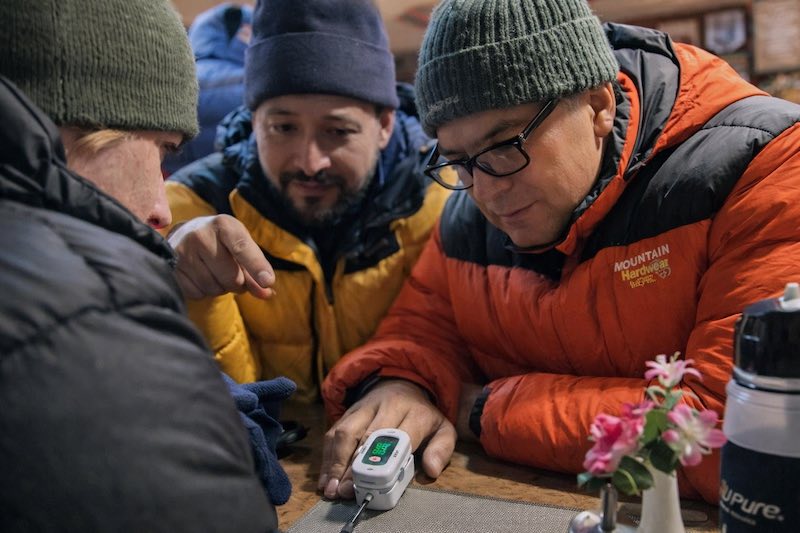
Indian pilgrims must undergo medical screening.
Not recommended for
- Severe heart disease
- Chronic lung disease
- Uncontrolled diabetes
- Severe hypertension
Best preparation (4–6 weeks before departure)
- Daily 5–7 km walking
- Stair climbing
- Breathing exercises / pranayama
- Light cardio + basic strength work
Altitude sickness prevention basics
- Ascend slowly (don’t rush acclimatization days)
- Drink 3–4 liters water daily
- Avoid alcohol and smoking
- Follow guide instructions immediately

Age Limit for Indian Citizens, Kailash Yatra 2026
Kailash Manasarovar Yatra involves high-altitude travel above 5,000 meters. For safety reasons, age eligibility is guided by medical fitness rather than age alone.
General Age Criteria:
- Minimum age: 18 years
- Maximum recommended age: 69 years
Pilgrims above 65 years must provide a strict medical fitness certificate confirming their ability to travel to high altitude.
It is important to understand that overall health condition, cardiovascular strength, and altitude tolerance matter more than age itself. Many senior Indian yatris successfully complete the yatra every year with proper preparation and medical approval.

Packing List for Indian Pilgrims (Travel Smart & Light)
Packing correctly for Kailash Manasarovar Yatra is crucial. Weather conditions change quickly, temperatures drop sharply at night, and luggage space during the Tibet journey is limited.
At high altitude, excess weight becomes a burden, especially during the Kailash Parikrama. Carry only what is essential.
Clothing (Layering Is Key)
- Thermal base layers (top and bottom)
- Down jacket (often provided by Himalayan Glacier, confirm before departure)
- Waterproof / windproof outer jacket
- Comfortable trekking shoes (properly worn-in)
- Woolen cap and insulated gloves
- Extra socks (warm + moisture-wicking)
Accessories
- UV-protection sunglasses (high altitude sunlight is intense)
- Sunscreen (SPF 50+) and lip balm
- Walking stick / trekking pole
- Small daypack for Parikrama days
Health & Personal Care
- Personal prescription medicines (carry sufficient quantity)
- Basic first-aid kit
- ORS / hydration salts
- Personal toiletries (travel size)
Keep your luggage organized and lightweight – remember, at 5,000 meters and above, even simple movements require more energy. For a complete, day-by-day detailed checklist including weight limits, luggage type, and recommended brands, read:
👉 Kailash Mansarovar Yatra Packing List
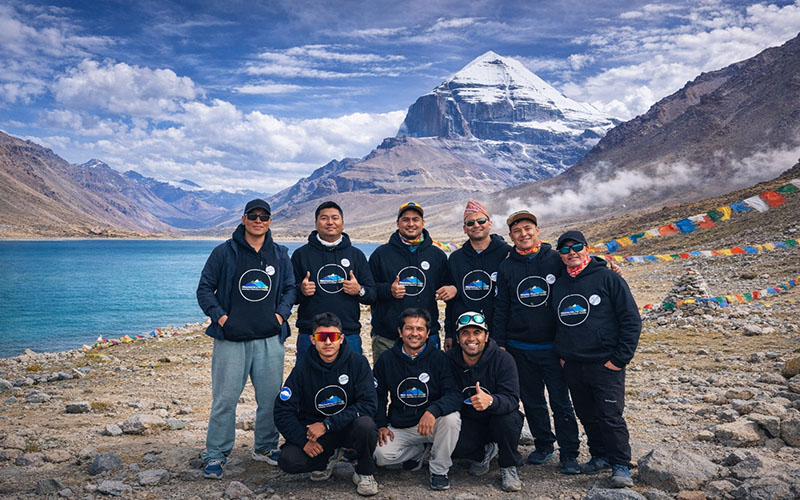
Why Indian Pilgrims Trust Himalayan Glacier for Kailash Manasarovar Yatra
For Indian citizens, the difference between a spiritually fulfilling yatra and a stressful one lies in execution.
Kailash Manasarovar Yatra operates under strict geopolitical regulations, Tibet travel restrictions, and high-altitude conditions above 5,000 meters. This journey demands disciplined permit handling, strong operational control, experienced altitude management, and a committed on-ground team.
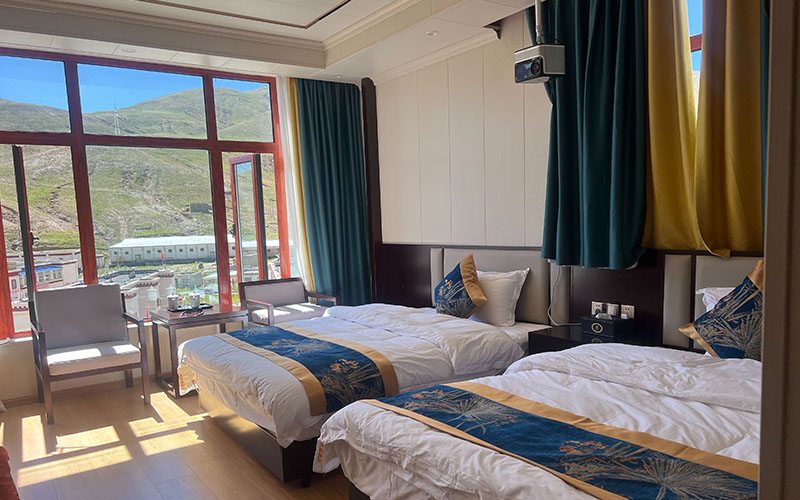
What Makes Himalayan Glacier Stand Out
1. Personalized Small Group Departures
Unlike large, crowded batches, Himalayan Glacier focuses on manageable small group sizes. This allows:
- Better coordination during visa and permit processing
- Faster response during altitude challenges
- More personal attention from guides
- Smoother Parikrama management
- A calm, less chaotic spiritual experience
Smaller groups mean better safety, better communication, and a more meaningful journey.
2. Special Care for Senior and Elderly Yatris
Many Indian pilgrims are above 55 or 60 years of age. High altitude requires extra attention.
Himalayan Glacier ensures:
- Close health monitoring during acclimatization
- Gradual altitude gain planning
- Flexible pacing during Parikrama
- Oxygen support available throughout the Tibet sector
- Staff assistance when needed
The team understands that elderly yatris require patience, reassurance, and practical support, not pressure.
3. Experienced Tibet Operations Team
A dedicated logistics team handles Tibet Travel Permit processing, Chinese Group Visa coordination, and border formalities with precision. There is no service handover or last-minute confusion.
4. Structured Acclimatization & Safety Planning
The itinerary is designed around altitude safety first. Proper acclimatization reduces the risk of AMS and improves completion rates for first-time pilgrims.

5. Reliable Vegetarian Indian Meals
Nutritious, hygienic vegetarian meals are arranged throughout the Tibet sector, helping pilgrims maintain energy and comfort at high altitude.
6. Oxygen Backup & Ground Support
Oxygen cylinders, trained guides, and support staff accompany the group, including during Kailash Parikrama.
Begin Your Kailash Manasarovar Yatra with Confidence
For Indian yatris, this sacred journey deserves expert handling, safe acclimatization, and disciplined permit processing. Travel with a team that understands both devotion and logistics.
Frequently Asked Questions (FAQs)
Yes, Indian nationals can travel in 2026 via Nepal routes, subject to Tibet permit, Chinese group visa, and medical clearance.
Yes. A valid passport is mandatory. Indian ID cards are not accepted for Tibet entry.
Overland: USD 3,500–4,000. Helicopter: USD 4,500–5,500 (approx., varies by services and operations).
Overland is best for acclimatization and value. Helicopter is faster but more weather-dependent and costlier.
Overland usually takes 13–15 days; helicopter route around 9–11 days.
Moderate to challenging due to altitude. The toughest section is Dolma La Pass (5,630m).
Yes, if medically fit. A thorough health check is essential for 60+.
Yes, organized groups generally arrange vegetarian meals throughout the Tibet sector.
No. Climbing is prohibited. Pilgrims perform parikrama (circumambulation) instead.
Ideally 3–4 months in advance to secure dates and complete permit/visa processing smoothly.