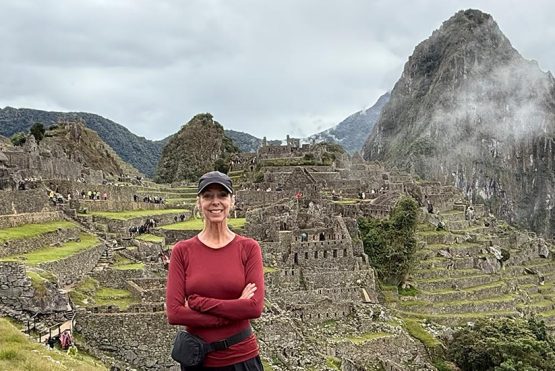
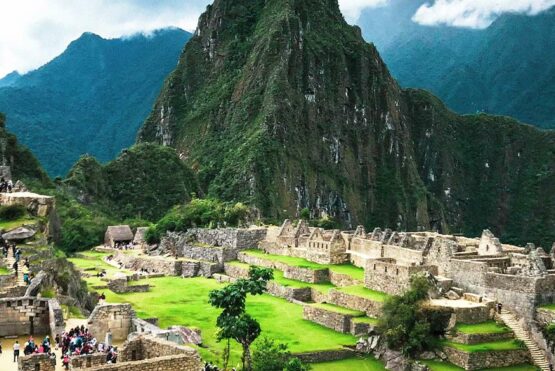
Cusco, once the heartbeat of the Inca Empire, is rich in history and vibrant culture. This city served as the center of a grand civilization, and continues to showcase that legacy today, blending Inca traditions with Spanish influence. As a traveler, you can admire the original Inca stone walls, museums, and plaza, which stand proudly alongside Spanish-style balconies, showcasing the city’s rich and diverse past.
Moreover, Cusco serves as the gateway to the Sacred Valley and Machu Picchu, providing access to the magical Andean trail. The city is alive with a bustling marketplace, traditional music, and friendly locals. Visitors on Cusco travel can explore ancient temples, plazas, and nearby hiking trails in the mountains.
Historical Significance of Cusco
Once the admired capital of the huge Inca Empire, also called Tahuantinsyuyo, Cusco used to be one of the most powerful civilizations in America. According to Inca locals, Cusco city was founded in the 10th Century by Manco Capac and Mama Ocllo, who appeared from the waters of Lake Titicaca. The Inca called the city the navel of the world, a powerful political and religious center, formed in the shape of a sacred puma. However, the reign of indigenous splendor was interrupted in the 16th century with the arrival of the Spanish conquistadors.
The colonial period in Cusco did not erase the city’s rich history; rather, it built upon it. Spanish churches and palaces were established atop the foundations of Inca temples and royal residences. Likewise, It results in a memorable and unique combination of craftsmanship and architecture that can be observed throughout the historic center. Today, Cusco is recognized as a UNESCO World Heritage site, as a living museum of Andean history.
Why Visit Cusco?
For travel and history enthusiasts, Cusco is a magical destination that showcases its rich ancient history, magnificent culture, and natural beauty. Here’s why you must visit Cusco:
- Inca Capital: Cusco was the historic capital of the Inca Empire. It is a UNESCO World Heritage site, and travellers walk on alleys laid by the Incas decades ago. You can witness the Inca stone artworks in remarkable places like Qorikancha and Sacsayhuaman. Due to its richness in ruins and archaeological sites, Cusco is also titled as “Archaeological Capital of the Americas”.
- Gateway to Machu Picchu: Cusco is the entry point to one of the world’s most famous archaeological sites and to the Inca Citadel of Machu Picchu.
- Sacred Valley: The city offers access to the Sacred Valley, where visitors can explore ancient ruins such as Ollantaytambo and Pisac.
- Culture: Visitors can experience Andean traditions, music, and festivals that keep the past alive. Additionally, you can participate in festive celebrations.
- Colorful Markets: You can explore the local markets, such as San Pedro Market, and shop for handwoven textiles, alpaca clothing, and unique handicrafts.
- Adventure: If you are nature and adventure enthusiasts, you can go hiking, mountain biking, or try multi-day treks such as the Salkantay or Inca Trail.
- Local Food: Try out local Peruvian specialties like quinoa soup, ceviche, and roasted cuy (guinea pig).
- Warm, Welcoming environment: Meet friendly locals who are eager to share their history and culture.


Best Places to Visit in Cusco
1. Sacsayhuamán: The Inca fortress and its significance
Sacsayhuamán is a beautiful Inca citadel towering above Cusco, Peru. It is often called a fortress for its huge walls and prime location. It is also a main ceremonial site. The fortress’s famous feature is the immense, zigzagging walls built from gigantic stones cut with incredible precision, showing the Incas’ masterful architectural skill.
Highlights of Sacsayhuaman
- Stone Walls: Built with huge limestone blocks, some weighing over 100 tons, placed so perfectly that a piece of paper can’t be inserted.
- Panoramic views: Witness the scenic views of Cusco and the vistas of the city and surrounding Andes.
- Spiritual Importance: It formed the head of the puma, a powerful, sacred animal, holding spiritual importance.
- Historic Importance: It used to be a military fortress for battles between the Incas and Spanish conquistadors, and now a major ceremonial center.
2. Qorikancha (Temple of the Sun)
The Qorikancha, or Temple of the Sun, was the sacred temple in the entire Inca Empire. The temple was first described by early Spanish colonialists. It was the spiritual and geographic center of Cusco, dedicated to the worship of Inti, the Sun God. Furthermore, the temple was known for its massive walls and was covered in solid gold, which reflects the immense wealth and power of the Incas and their deep reverence for the sun.
Highlights of Qorikancha (Temple of the Sun)
- Spiritual Center: The significant religious site in the Inca Empire, devoted to Inti (the Sun God) and housed temples for deities like the moon and stars.
- Unique Architecture: The temple features perfectly fitted basalt stones of Inca stonemasonry that have withstood numerous earthquakes and natural calamities.
- Huge Wealth: The walls of temples were sheathed in gold, and the gardens contained life-sized gold and silver sculptures of plants and animals, symbolizing the empire’s power and the sun’s sacredness.
3. Plaza de Armas: The heart of Cusco
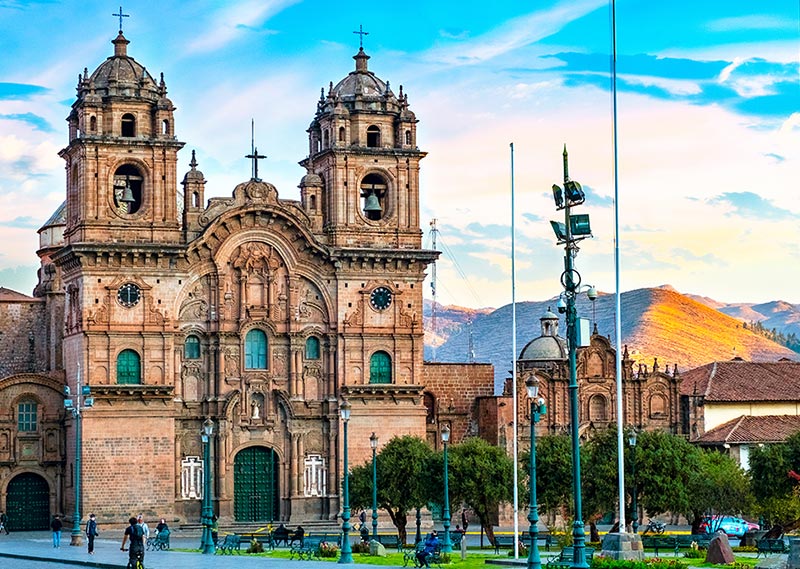
The Plaza de Armas is a historic town square. In Inca times, known as Huacaypata, it was the main ceremonial and administrative square, surrounded by several palaces. Currently, it is a beautiful colonial square constructed on Inca ruins, bordered by impressive cathedrals and arcades. Now, it is the main center for the city’s social, cultural, and tourist activities.
Highlights of Plaza de Armas
- Historical Building: It was the central square of the Inca Empire (Huacaypata) and was later transformed by the Spanish, who built their most important churches and buildings on the ruins of Inca palaces.
- Majestic beauty: The plaza is surrounded by beautiful colonial arcades and is dominated by the Cusco Cathedral and the Church of La Compañía de Jesús.
- Vibrant atmosphere: It is the city’s central gathering place, filled with restaurants, shops, and events.
- Entry Point: Lastly, it is the starting point for visitors exploring Cusco and the Sacred Valley.
4. Rainbow Mountain (Vinicunca)

Rainbow Mountain, known locally as Vinicunca, is a magnificent natural wonder located high in the Andes of Peru. The melting snow caused by climate change revealed its striped colors, formed by minerals in the sedimentary rock. Moreover, the hike takes trekkers on a moderately high-altitude journey, rewarding them with stunning and unparalleled panoramic views.
Highlights of Rainbow Mountain
- Rainbow Mountain: The mountain’s vibrant, rainbow-like stripes are a natural formation from layered minerals like red (iron oxide), yellow (iron sulfide), and green (chlorite).
- High-Altitude: Reaching the viewpoint at over 5,200 meters (17,000 feet) requires a challenging hike, so acclimatizing in Cusco for several days is essential for safety and enjoyment.
- Eye-catching Views: The trek showcases stunning views of the Ausangate glacier and pristine alpine landscapes, ensuring a sense of adventure and natural beauty.
Thinking about hiking the Rainbow Mountain?
Explore the high-altitude hiking, magical Andean natural scenery, and a memorable adventure beyond Cusco’s streets and markets.
Explore More!
5. Sacred Valley: Day trips from Cusco
The Sacred Valley of the Incas, a lush river valley located high in the Andes, is a famous destination for day trips from Cusco. This region served as both the agricultural core of the empire and an important strategic and spiritual center. Additionally, a day trip allows visitors to explore its charming towns, bustling markets, and magnificent Inca ruins.
Highlights of Sacred Valley
- Archaeological Sites: The valley is filled with spectacular ruins, including the agricultural terraces of Pisac and the fortress of Ollantaytambo, which is a living Inca town.
- Local Markets: It is famous for its artisan markets, particularly the Pisac market, where visitors can find beautiful handmade textiles, ceramics, and jewelry.
- Stunning Views: Witness the unparalleled views of the Andean landscape, with snow-capped peaks, ancient terraces carved into green hills, and the Urubamba River flowing over the valley.
6. San Pedro Market
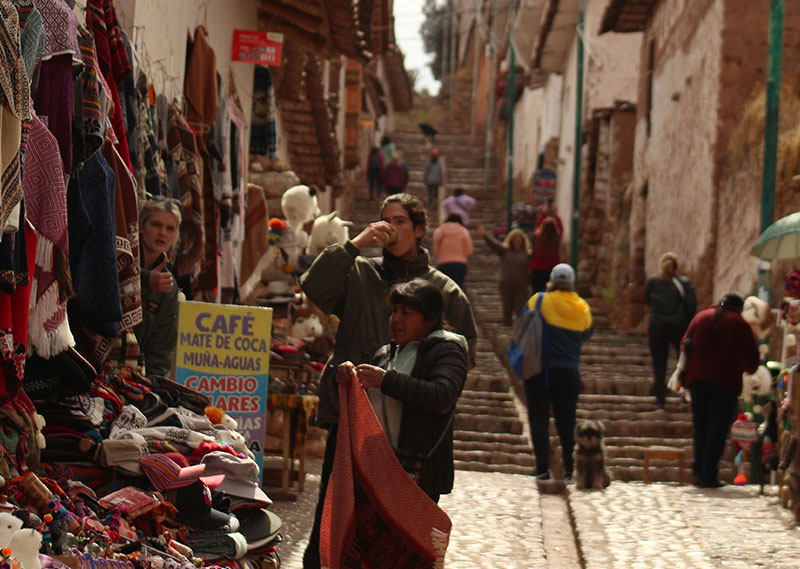
The Mercado Central de San Pedro is the busy, sensory-filled central market of Cusco. The market is a maze of stalls overflowing with fresh fruits and vegetables, regional delicacies, handmade crafts, and traditional medicines. Further, it serves as a vital commercial and cultural center for both residents and international visitors.
Highlights of San Pedro Market
- Delight Hub: It is the hub to find fresh, local produce, exotic fruits from the region, dozens of types of potatoes, Andean cheeses, and butchers’ stalls.
- Real Experience: San Pedro provides a real insight into the daily shopping habits and culinary culture of the people of Cusco.
- Local Products: Additionally, the market also offers a wide array of handmade souvenirs, textiles, pottery, and traditional medicinal remedies used in Andean culture.
Ready to explore Cusco’s magical gems?
Make your travel dream into a real Cusco adventure, plan a trip to experience Cusco with us.
Cusco for Food Lovers: Must-Try Dishes
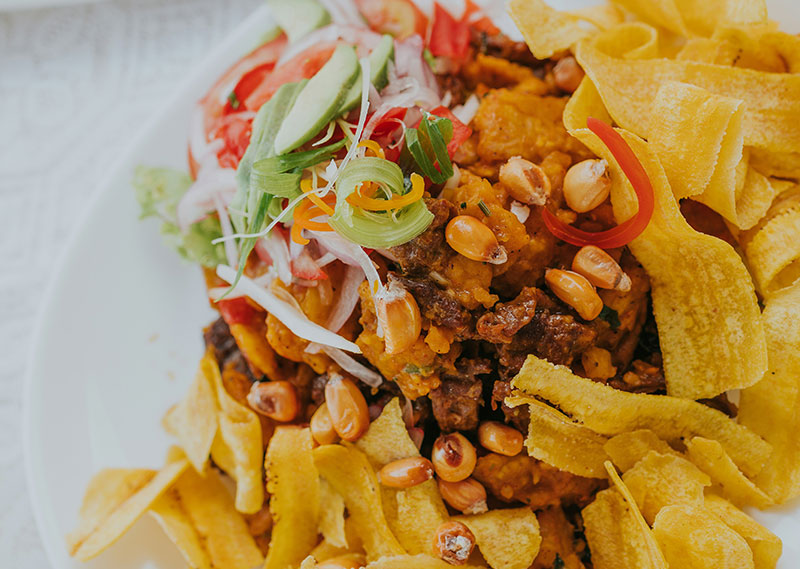
Cusco is a food paradise for foodies. It offers a perfect fusion of ancient Andean traditions and modern culinary delights. With a range of food options, you must be wondering what to eat in Cusco. Here are the must-try dishes for food lovers:
1. Local Cusco Specialities:
- Cuy (Guinea Pig): It is a famous local Andean dish, usually roasted whole and served crispy.
- Alpaca: A lean, tender, and nutritious meat served in various ways, from steaks to stews.
- Rocoto Relleno: A baked spicy red pepper filled with seasoned ground meat, vegetables, and cheese.
- Chiriuchu: A local cold salad distributed during the Inti Raymi festival, with cuy, chicken, cheese, corn, seaweed, and rocoto peppers.
- Chicha: A traditional beverage (beer) that is basically produced from maize(corn) with other grains or fruits like yucca.
2. Street Food in Cusco
- Anticuchos: Grilled skewers made from cow’s heart, often grilled with boiled potatoes.
- Choclo con Queso: A simple snack of fresh, large-kernel Peruvian corn served with cheese.
- Picarones: A deep-fried doughnut made from sweet potatoes and squash, served with a sweet, anise-flavored syrup.
- Salchipapas: A sliced hot dog mixed with French fries and topped with different flavors of sauces.
Festivals and Events in Cusco
Cusco’s annual calendar is full of festivals and events that are connected with Catholic traditions. The celebration reflects its rich Inca heritage, performing with ancient Inca rituals and pageantry. During the festive season, the city truly comes to life with a colorful atmosphere, designed costumes, traditional music, and dancing in the streets.
Here is the list of the major festivals that are celebrated in Cusco:
| Festival Name | Time of Year |
| Inti Raymi (Festival of the Sun) | Dry season or Late June (Southern Hemisphere winter) |
| Corpus Christi | May–June (dry season, early winter) |
| Qoyllur Rit’i | Dry season / early winter |
| Santuranticuy Christmas Market | Wet season/summer |
| Virgen del Carmen Festival | Mid-July |
| Fiestas Patrias | Late July |
Where to Stay in Cusco
While visiting Cusco, choosing where to stay is based heavily on your budget and experience. The city offers accommodations in every category, from budget hotels to luxurious ones set in attractively restored colonial convents.
1. Budget Hotels or Hostels
If you are a visitor who is looking for affordable places to stay in Cusco, budget hotels or shared hostels are perfect for backpackers and someone who value an authentic experience. The budget stays offer dormitory-style beds or small private rooms with shared rooms and bathrooms. Additionally, the stays provide common spaces, like cozy kitchens, sunny courtyards, and lounges. Some of the budget hotels in Cusco are Selina Plaza de Armas Cusco, Viajero Kokopelli, Wild Rover Cusco, and Socialtel Plaza de Armas Cusco.
2.Mid-Range Hotels
For travelers looking for upgraded facilities, comfort, and services, mid-range hotels are the best choices in Cusco. You can expect private rooms with en-suite bathrooms, hot water, and in-room heating amenities. Furthermore, the rooms are typically more spacious and stylishly decorated than budget rooms. Some of the mid-range hotels are Antigua Casona San Blas, Tierra Viva Cusco Centro, and Hotel Rumi Punku.
3. Luxury Hotels
If you are someone who prefers an exquisite and opulent experience, luxury hotels in Cusco offer the perfect combination of rich history and modern comfort. These boutique stays mainly have colonial architecture or Incan foundations in their design. Additionally, many hotels provide high-end facilities, including spas, private transportation, and fine dining experiences tailored to your preferences. Some of the boutique stays that offer top-notch facilities and personalized guidance are Inkaterra La Casona, Casa Cartagena Boutique Hotel and Spa, and Andean Wings Boutique Hotel.
Budget Estimation for Cusco Travel
Here is the detailed estimated budget breakdown for Cusco travel below:
| Category | Budget Traveler | Mid-range Traveler | Luxury Traveler |
| Accommodation | $15 to $30 a night | $50 to $120 a night | $200+/night |
| Meals | $5 to $10 per meal | $15 to $30 per meal | $50+/meal |
| Tours/Activities | $20 to $40 per day | $50 to $100 a day | $200+/day |
| Transport | $1 to $5 (local) | $10 to $30 (taxis, buses) | Private transfers ($100+) |
| Daily Average | $40 to $60 | $120 to $200 | $400+ |
How to Get to Cusco?
There are three main ways to get to Cusco: by flight, train, and bus.
1. By Air
The fastest and easiest way to reach Cusco is by flying into Alejandro Velasco Astete International Airport (CUZ), which is located just 10 to 15 minutes from the city center. The direct flights from Lima take about an hour and operate daily, as well as flights from other Peruvian cities like Arequipa and Juliaca. However, international flights are limited, so most travelers will need to connect through Lima.
2. By Train
There is no direct passenger train service from Lima to Cusco; however, scenic trains operate between Cusco and Machu Picchu as well as the Sacred Valley. Moreover, traveling from Puno or Lake Titicaca to Cusco, offered by Peru Rail or Inca Rail, showcases stunning Andean landscapes and takes approximately 10 hours.
3. By Land
The Long-distance travel buses connect Cusco with major cities, including Lima (approximately 20 to 24 hours) and Arequipa (about 10 hours). Further, major transportation companies provide comfortable sleeper buses with reclining seats. During the drive, the mountain roads offer spectacular views.
Essential Travel Tips for First-Time Visitors
If you are a first-time visitor to Cusco, you need to consider several factors to make your trip hassle-free and successful. Some of the essential tips are listed below:
- Cusco is situated at 3,400m(11,150ft), so acclimatize slowly by getting enough rest and exploring gradually.
- Carry a reusable bottle and avoid excess caffeine or alcohol until you adjust.
- The timing of your Cusco visit is important; the best time to visit is during the dry season(May to September), which is perfect for hiking and sightseeing.
- The weather changes constantly; days can be warm and sunny, but evenings can be chilly, so pack light layers, a fleece or sweater, and a waterproof jacket.
- Bring sunscreen, sunglasses, lip protection, and a hat to protect yourself from the sun.
- Additionally, many markets and small cafes don’t accept cards, so keep small bills handy.
Conclusion
Cusco travel as a first-time visitor can be successful and hassle-free if you have done thorough planning, considering the altitudes, best seasons, weather, and climate conditions. Cusco offers a knowledgeable and memorable experience with the living museum reflecting Inca heritage, history, and the vibrant atmosphere of the Andes.
So, if you are motivated to explore beyond Cusco, check out hiking the Inca Trail to Machu Picchu or experiencing off the beaten path with the Salkantay trek.
Ready to start your journey to the heart of the Andes?
Book your Cusco experience with us today and be ready to explore history, culture, food, and unique landscapes.