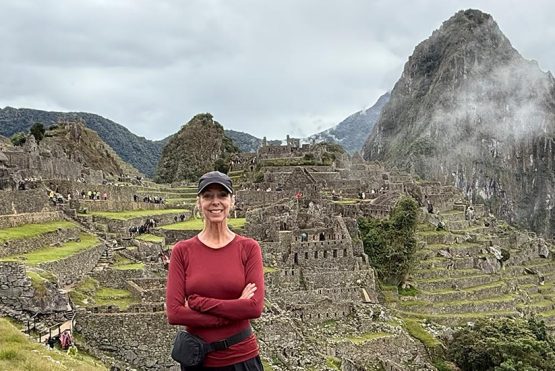
This guide will unfold the best time to visit Peru, offering valuable insights into the seasons of the Peruvian region. Peru’s climate varies significantly across regions, ranging from the arid desert coast to the tropical Amazon rainforest and the towering Andes mountains. Each area experiences its own distinct weather patterns, creating a range of experiences for travelers.
The coastal regions experience a mild climate with minimal rainfall. The best time to visit these areas is typically during the dry season, which runs from December to April. During these months, you can enjoy sunny days and pleasant temperatures, perfect for exploring coastal attractions and indulging in outdoor activities. Likewise, the best time to visit the Andean highlands is from May to September. Additionally, whether you are seeking to immerse yourself in the vibrancies of Peru’s peak season or prefer the tranquility of the off-season, this guide will present you with an in-depth seasonal analysis.
Understanding Peru’s Climatic Conditions
Peru’s climatic conditions can be categorized across its diverse regions, from the coastal areas to the Andean highlands and the Amazon rainforest. The table illustrates a compilation of a comprehensive table showcasing the month-wise temperature variations across these regions. Additionally, it will help you understand the temperature trends, allowing you to make an informed decision about when to visit Peru and what to expect.
| Month | Coastal Regions (Max/ Min) | Andean Highlands (Max/ Min) | Amazon Rainforest (Max/ Min) |
| January | 85°F / 75°F (29°C / 24°C) | 65°F / 45°F (18°C / 7°C) | 87°F / 71°F (31°C / 22°C) |
| February | 85°F / 75°F (29°C / 24°C) | 65°F / 45°F (18°C / 7°C) | 87°F / 71°F (31°C / 22°C) |
| March | 85°F / 75°F (29°C / 24°C) | 65°F / 45°F (18°C / 7°C) | 88°F / 70°F (31°C / 21°C) |
| April | 75°F / 65°F (24°C / 18°C) | 70°F / 50°F (21°C / 10°C) | 87°F / 68°F (31°C / 20°C) |
| May | 75°F / 65°F (24°C / 18°C) | 70°F / 50°F (21°C / 10°C) | 85°F / 66°F (29°C / 19°C) |
| June | 75°F / 65°F (24°C / 18°C) | 70°F / 50°F (21°C / 10°C) | 84°F / 63°F (29°C / 17°C) |
| July | 70°F / 60°F (21°C / 15°C) | 75°F / 55°F (24°C / 13°C) | 85°F / 62°F (29°C / 17°C) |
| August | 70°F / 60°F (21°C / 15°C) | 75°F / 55°F (24°C / 13°C) | 88°F / 64°F (31°C / 18°C) |
| September | 70°F / 60°F (21°C / 15°C) | 75°F / 55°F (24°C / 13°C) | 90°F / 65°F (32°C / 18°C) |
| October | 80°F / 70°F (27°C / 21°C) | 75°F / 55°F (24°C / 13°C) | 90°F / 69°F (32°C / 21°C) |
| November | 80°F / 70°F (27°C / 21°C) | 70°F / 50°F (21°C / 10°C) | 89°F / 70°F (32°C / 21°C) |
| December | 80°F / 70°F (27°C / 21°C) | 65°F / 45°F (18°C / 7°C) | 88°F / 70°F (31°C / 21°C) |
Here is the graphical representation of the monthly temperature variation in different regions in Peru below:

The monthly temperature variations for the Coastal Regions, Andean Highlands, and Amazon Rainforest.
Best Time to Visit Peru: Peak Season vs. Off-Season
Determining the best time to visit Peru depends on various factors, including the advantages and disadvantages of both peak season and off-season. Understanding the pros and cons of each season will help you plan your ideal trip that aligns with your travel goals.
Visiting Peru in Peak Season
In Peru, the peak travel season mainly coincides with the dry season, which runs from May to September. The pros and cons of peak travel season in Peru are:
Pros:
- Ideal weather: The peak season features sunny days and minimal rainfall, especially in the Andean highlands and coastal regions.
- Pleasant atmosphere: You can experience Peru’s vibrant festivals, such as Inti Raymi and Carnival.
- Accessibility: Most tourist attractions and services operate at full capacity, providing ample opportunities for exploration and adventure.
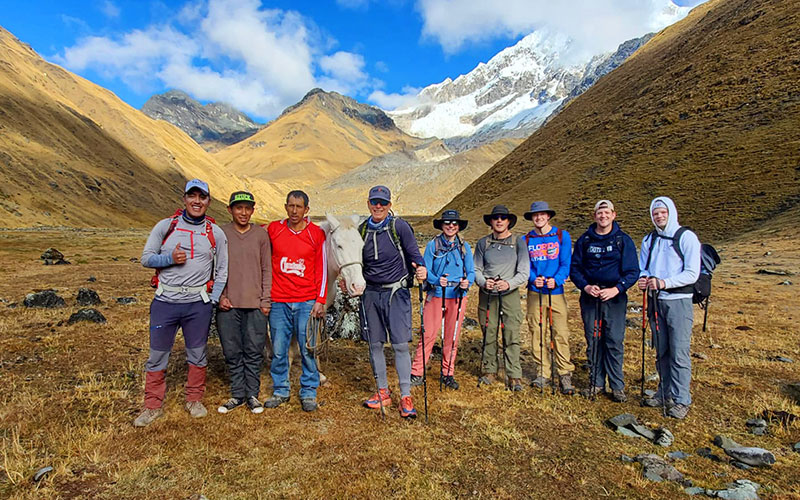
- Trekking conditions: The peak season months are optimal for trekking to Machu Picchu via various routes. You will get to explore the region at its best, with clear skies and moderate temperatures.
Cons:
- Crowds: Popular tourist destinations can become crowded, leading longer to wait times and limited availability for accommodation and activities.
- Higher prices: You can expect inflated prices for accommodations, guided tours, and transportation during peak season.
- Advanced bookings required: In order to secure your preferred accommodations and tour packages, booking in advance is often necessary.
- Limited availability: Popular attractions may have restricted availability due to high demand, requiring reservations far ahead of time.
Visiting Peru in Off-Season
Off-season in Peru generally occurs during the wet season, which spans from November to March. The following are the pros and cons of off-peak travel in Peru:
Pros:
- Lower prices: You can enjoy discounted rates on accommodations, tours, and transportation, making travel more budget-friendly.
- Fewer crowds: The off-season months allow you to experience a more tranquil and relaxed atmosphere at tourist sites, allowing you a deeper connection with nature and culture.
- Unique experiences: You can discover hidden gems and off-the-beaten-path destinations with fewer tourists, which promises an authentic Peruvian experience.
- Flexibility: It offers greater flexibility in planning your journey, with more options for last-minute bookings and spontaneous adventures.
Cons:
- Unpredictable weather: Off-season travel may coincide with higher rainfall or cooler temperatures, especially in the Andean highlands and Amazon rainforest.
- Limited services: Some accommodations, restaurants, and tour operators may have reduced operating hours or closures during the off-season.
- Festival availability: You may miss out on experiencing vibrant festivals and cultural events that often occur during the peak season.
- Trekking challenges: Extreme weather conditions can make trekking more challenging and potentially hazardous, requiring extra caution and preparation.
Weather Patterns Across Peru
The topography of Peru is typically divided into three main regions: Coastal, Highland, and Amazon Regions. Each region experiences different weather patterns throughout the year, offering diverse weather conditions. Here is an overview of varying weather in each region:
Coastal Regions:
- Unique climate: The coastal regions of Peru experience a unique desert-like climate characterized by minimal rainfall and abundant sunshine throughout the year.
- Persistent fog: During the winter months (May to October), a thick coastal fog covers cities like Lima and Paracas, creating cool and misty conditions.
- Mild temperatures: Coastal areas experience relatively mild temperatures year-round, with average highs ranging from 70°F to 80°F (21°C to 27°C) and lows ranging from 60°F to 70°F (15°C to 21°C).
- Limited precipitation: Rainfall is scarce along the coast, with most precipitation occurring a light drizzles during the winter months.
- Ideal beach weather: Despite the fog, coastal regions offer ideal conditions for beach activities and water sports, particularly during the summer months (December to March).
Highland Regions:
- Varied terrain: The Andean highlands of Peru encompass diverse landscapes, including mountain ranges, valleys, and plateaus, resulting in varied weather patterns.
- Drastic temperature fluctuations: Due to high elevations, temperatures in the highlands can fluctuate significantly between day and night. Daytime temperatures range from 45°F to 70°F (7°C to 21°C), and nighttime temperatures drop below freezing, especially during the dry season.
- Dry season dominance: The dry season (May to October) in the highlands offers clear skies and minimal rainfall, ideal for outdoor activities such as trekking and exploring archaeological sites.
- Rainy season risks: From November to April, the highlands experience the rainy season. It is characterized by afternoon showers and occasional thunderstorms, which can impact trekking routes and road conditions.
Amazon Regions:
- Lush rainforest climate: The Amazon rainforest of Peru features a tropical climate characterized by high humidity, abundant rainfall, and dense vegetation.
- Year-round rainfall: Unlike the coastal and highland regions, the Amazon experiences rainfall throughout the year. The precipitation levels peak from December to April.
- Warm temperatures: Average temperatures in the Amazon range from 80°F to 90°F (27°C to 32°C) year-round, with minimal variation between seasons.
- Biodiversity hotspot: The Amazon rainforest is renowned for its incredible biodiversity, housing a vast array of plant and animal species. Its bio-diverse ecosystem makes it an ideal destination for wildlife enthusiasts and nature lovers.
- Mosquito concerns: You should be aware of the presence of mosquitoes and take appropriate precautions. To prevent mosquito-borne illnesses like malaria and dengue fever, it is recommended that you use insect repellent and wear long sleeves and pants.
If you wish to explore what Peru has to offer for adventure lovers, check out the best places to visit in Peru . It offers a well-curated exploration of unforgettable travel destinations in Peru you don’t want to miss.
Explore Festivals and Events in Peru
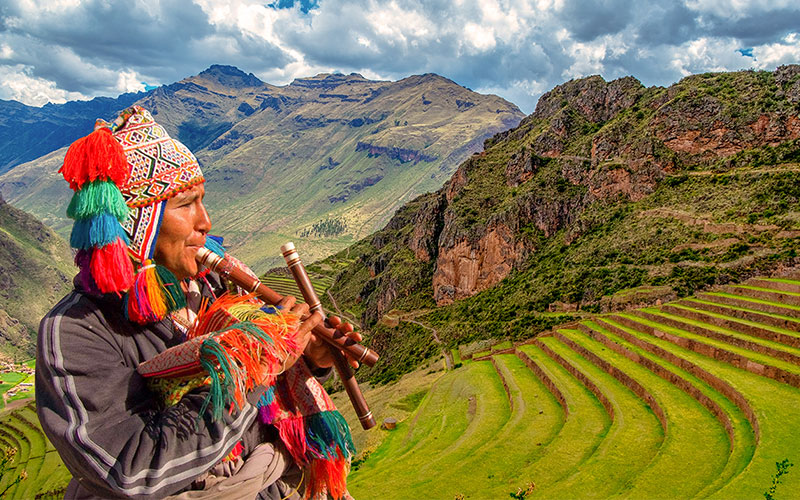
Peru has a lot to offer in terms of vibrant culture and rich traditions, and one of the best ways to experience this is through its colorful festivals and events. Here are some of the most popular celebrations that showcase the country’s diverse heritage and deep-rooted customs.
- Inti Raymi: It is celebrated in Cusco every June in honor of the Inca sun god with traditional rituals and colorful processions.
- Carnaval: Carnaval is celebrated across Peru with a vibrant pre-Lenten festival that fills the streets with music, dance, and colorful parades.
- Semana Santa: It is celebrated joyously with processions and rituals commemorating the Passion of Christ leading up to Easter.
- Qoyllur Riti: Qoyllur Riti is celebrated in the Sinakara Valley and is a unique pilgrimage blending Andean and Catholic traditions.
- Fiesta de la Candelaria: It is celebrated in February with elaborate dances and costumes in Puno. It is a celebration blending indigenous and Catholic traditions.
- Virgen de la Candelaria: It is celebrated on Puno in February and features colorful processions, music, and dances dedicated to the Virgin Mary.
- Fiestas Patrias: It is celebrated nationwide on July 28-29 and is also known as Peru’s Independence Day. It features celebratory parades, fireworks, and cultural events.
- Lord of Miracles: It is celebrated in October in Lima to honor an image of Christ with deep religious significance to Peruvians.
So, when’s the right time for Peru?
Each region of Peru shines at a different time of year. Let our experts help you choose the best season for your adventure.
Ideal Times for Exploring Peru’s Biodiverse Habitats
The best months to visit Peru to explore Peru’s biodiverse habitats vary by region. From May to September, the dry season offers clear skies and mild weather, ideal for coastal deserts and Andean highlands. This period also aligns with peak tourist season in Peru, facilitating easier access to popular attractions like Machu Picchu.
For the Amazon rainforest, the low-water season from June to October allows for better wildlife sightings and jungle trekking. Alternatively, the rainy season from November to March offers a lush, vibrant landscape but may present travel challenges due to heavier rainfall and increased humidity. Ultimately, the best time to visit Peru for its diverse ecosystems depends on individual preferences and interests.
Budget Travel Tips: Finding Deals During Shoulder Seasons
If you are looking for smarter ways to plan a budget-friendly trip to Peru, then we’ve got you covered. Here are some of the pointers you should consider to find the best deals during shoulder seasons in Peru:
- Identify the shoulder seasons that typically lie between peak and off-peak travel season in Peru for your desired travel destination.
- Remain flexible with your travel dates to take advantage of the best deals available during shoulder seasons.
- Keep track of airline promotions and fare sales to grab airline tickets at discounted rates.
- Secure budget-friendly accommodation by booking in advance.
- Explore lesser-known destinations or nearby cities that offer similar experiences at lower costs.
- Look for discounted tours and activities offered by tour operators during shoulder seasons.
- Lastly, stay open to last-minute deals and promotions that may be available closer to your travel dates.
Are you concerned about the travel cost to Peru? Check out our well-curated guide, which offers valuable insights on the cost of visiting Machu Picchu. Be well-informed and plan your trip smartly.
FAQs
1. When is the best time to visit Machu Picchu?
The best time to visit Machu Picchu is during the dry season, which spans from May to September. During these months, rainfall is minimal, and the weather is typically clear, which offers an optimal condition for exploring the ancient ruins and enjoying the breathtaking views of the surrounding landscape. For a detailed travel guide, check out the best time to hike Machu Picchu.
2. What are the main seasons in Peru, and how do they affect travel?
Peru experiences two main seasons: the dry season (May to September) and the wet season (November to April). The dry season, also considered the best season to visit Peru, offers clear skies and minimal rainfall, making it ideal for outdoor activities and trekking in the Andes. On the other hand, the wet season brings heavier rainfall, especially in the Amazon region, making the trekking trails muddy and slippery.
3. Is there a rainy season in Peru, and when does it occur?
Yes, Peru experiences a rainy season, which typically occurs from November to April. During this period, rainfall is most frequent and intense, resulting in muddy trails. The rainy season may bring afternoon showers and thunderstorms, which may make trekking a riskier endeavor.
4. What are the temperatures like in Peru throughout the year?
Peru’s temperatures vary greatly depending on the region and elevation. In the coastal areas, temperatures remain relatively mild year-round, ranging from around 60°F to 80°F (16°C to 27°C). In the Andean highlands, temperatures fluctuate more significantly, with daytime highs ranging from 45°F to 70°F (7°C to 21°C) and nighttime lows often dropping below freezing. The Amazon region experiences warm temperatures year-round, typically ranging from 80°F to 90°F (27°C to 32°C).
5. Are there any major festivals or events that travelers should consider when planning their trip to Peru?
Yes, Peru hosts several major festivals and events throughout the year that offer unique cultural experiences. Some notable ones include:
- Inti Raymi
- Carnaval
- Fiesta de la Candelaria
- Semana Santa
- Qoyllur Riti
- Fiestas Patrias
- Virgen de la Candelaria
- Lord of Miracles
6. How crowded are tourist attractions in Peru during peak seasons?
During peak tourist season in Peru, tourist attractions can be quite crowded, especially popular sites like Machu Picchu, Cusco, and the Sacred Valley. Furthermore, expect to experience long queues and crowded viewpoints. Accommodations and transportation may also be in high demand, requiring advanced booking.
Conclusion
Understanding the best time to visit Peru is crucial to planning a trip that guarantees a rewarding travel experience. For an unforgettable Peruvian adventure, choose Himalayan Glacier. With our experienced local guides, safety measures, and personalized itineraries, we ensure a successful journey through Peru’s diverse landscapes and vibrant culture.
Make your Peru trip unforgettable in the right season!
Choosing when to go is the first step to a successful journey. From trekking to cultural tours, we’ll help you plan your itinerary around the best weather and local highlights.