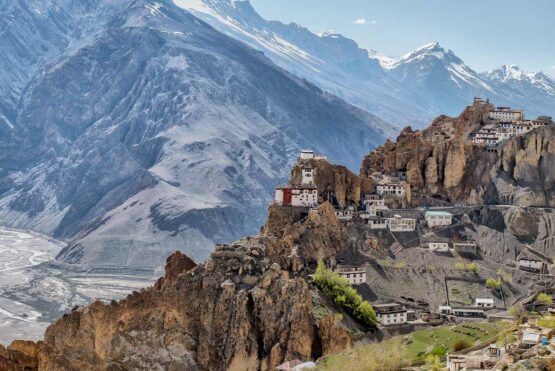
Bhutan, also known as the “Land of Thunder Dragon,” is popularly recognized for its pristine landscapes, rich culture, and commitment to sustainability. It is the only carbon-negative country globally and has implemented various policies to preserve its heritage landmarks and rich traditions. Interestingly, Bhutan’s main motto is promoting Gross National Happiness (GNH) rather than Gross Domestic Product (GDP) and mass tourism.
Similarly, the country ensures that visitors experience its natural beauty and unique traditions sustainably. Furthermore, Bhutan has executed a “high-value, low-impact” tourism policy, requiring visitors to pay daily tariffs for basic services such as accommodation, meals, and guides. This approach limits visitors and ensures that the landscapes and heritage sites remain untouched in the future.
Moreover, let’s discuss how we make our Bhutan travel sustainable and leave a positive impact during our visit.
- 1. Why is Bhutan a Leader in Sustainable Tourism?
- 2. How Bhutan’s Tourism Policies Promote Sustainability
- 3. Eco-Friendly Travel Tips for Bhutan
- 4. Sustainable Activities to Experience in Bhutan
- 5. The Role of Sustainable Development Fee
- 6. How Travelers Can Make a Difference
- Frequently Asked Questions
- Conclusion
1. Why is Bhutan a Leader in Sustainable Tourism?
Bhutan is a leader in sustainable tourism because it balances economic development, environmental conservation, and cultural preservation. The country’s main goal is to promote Gross National Happiness, which represents its higher respect for nature and tradition. Unlike the rest of the world, Bhutan evaluates its success through the well-being of people, culture, and the environment.
Similarly, Bhutan has made it the only carbon-negative country in the world. So, the country actively engages in maintaining environmental balance. Over 70% of its land is covered with forests, and the government has also regulated strict policies of 60% coverage for the future. Likewise, Bhutan mandates the Sustainable Development Fee (SDF), a daily tariff that supports conservation, traditions, and locals to regulate the impact of tourism further. This policy helps Bhutan’s sustainable tourism remain environmentally friendly and meaningful. Overall, by prioritizing economic growth with the environment and cultural preservation, Bhutan has developed itself as a leader in sustainable tourism.

2. How Bhutan’s Tourism Policies Promote Sustainability
Bhutan’s tourism policy are carefully designed to promote sustainability and guarantee that travelers contribute to the country’s economic and environmental welfare. Similarly, the country has limited tourism numbers to prevent crowded tourism and minimize ecological strain on its untouched and pristine landscapes. At the core of these policies, Bhutan’s government limits mass tourism through its high-value, low-impact tourism model.
Further, the government imposes a daily tariff on tourists, including accommodation, meals, transportation, and a Sustainable Development Fee (SDF). These tariffs directly contribute to initiatives such as environmental conservation, infrastructure development, and Bhutan’s community welfare. The tourism policies are profound with the commitment to conserving its natural and cultural heritage.
Similarly, visitors are required to have a mandatory guide to explore Bhutan to maintain cultural integrity and environmental responsibility. Licensed guides assist travelers in gaining deep insight into Bhutanese customs, sites, traditions, and the local community. Also, these experts prevent harmful ecological practices such as off-trail hiking. Overall, by incorporating strict tourism policies, Bhutan has set a world record for sustainable tourism.
3. Eco-Friendly Travel Tips for Bhutan
While traveling to Bhutan, visitors must follow all the guidelines and policies the Bhutanese government implements. This will help you to make your visit memorable and knowledgeable. Some of the eco-friendly travel tips for Bhutan are below:
- Choose Responsible Tour Operators: Travelers must opt for responsible tour operators who follow all the sustainable policies. We at Himalayan Glacier offer expert guidance and responsible tourism.
- Respect Nature and Wildlife: You must respect nature and wildlife and avoid visiting restricted trails. You should also follow designated trails and reduce littering on sacred sites.
- Minimize Plastic Usage: Visitors should carry reusable water bottles, shopping bags, and toiletries to avoid plastic use.
- Support Local Communities: While visiting Bhutan, you can support local people by purchasing handmade crafts and regional products.
- Respect Culture: When visiting sacred sites, you must dress modestly and follow local etiquette.
Are you ready to immerse yourself in the Bhutan’s rich heritage?
The Bhutan Cultural Tour packages provide an immersive experience to witness the rich Bhutanese culture that is deeply profound with Buddhism. These tours are designated for travelers who want to gain in-depth insight into this historical himalayan nation.
4. Sustainable Activities to Experience in Bhutan
Bhutan has many sustainable activities that allow visitors to enjoy its natural beauty and cultural richness while following eco-friendly policies. Some of the sustainable activities to consider during your Bhutan tour are described below:
Hiking and Trekking
Hiking and Trekking are among the most popular and sustainable ways to explore Bhutan. There are various types of routes, such as Druk Path Trek and Cholomari Trek, each with uniqueness and serene landscapes. You can explore the country’s untouched landscapes, breathtaking views, and rich cultural heritage. Remember, while exploring these destinations, follow principles such as leaving no trace and contributing to Bhutan’s sustainable policy.
Cultural Exploration
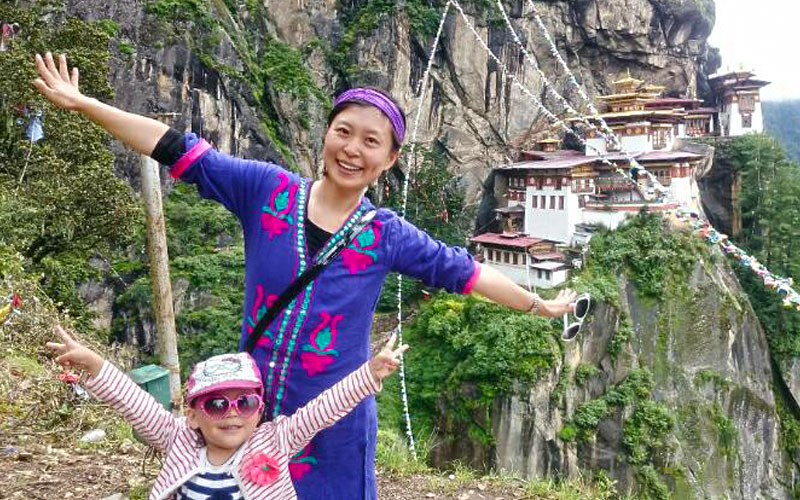
Visitors can gain valuable insight by immersing themselves in festivals such as Paro-Tsechu and Black Neck Craned festivals. You can also explore monasteries and historical sites like Tiger’s Nest Monastery and Gangtey monasteries. By participating in these activities, you can support local communities and have a golden opportunity to learn about Bhutanese traditions.
Wildlife Conservations
Bhutan is home to different protected areas, including Jigme Dorji National Park, Royal Manas National Park, and Wangchuck Centennial National Park. These Bhutan wildlife conservation areas are havens for biodiversity, with rare animals like the black-necked crane and royal bengal tiger. Visitors can explore these areas with local guides and learn more about these rare species.
Farm- Stays
Farm stays in Bhutan provide a unique and immersive journey. Travelers can experience the Bhutanese rural lifestyle by engaging in organic farming practices and their traditions. This provides insight into the country’s sustainable farming practices and supports farmers and communities.
Overall, by engaging in sustainable activities in Bhutan, you can contribute to environmental preservation, support local communities, and enhance your whole travel experience. Check out the Bhutan Travel guide and make your whole trip memorable and safe.
5. The Role of Sustainable Development Fee
Sustainable development fee has a major impact on maintaining Bhutan’s unique approach to sustainable tourism. The motto of Bhutan tourism fees is to ensure that visitors contribute to the country’s environmental conservation and socio-economic development. Similarly, all foreigners are mandated to pay $100 as a daily tariff which helps regulate tourism’s impact while funding programs that conserve Bhutan’s culture, biodiversity, and infrastructure.
The significant part of the Sustainable Development Fee (SDF) Bhutan is it supports wildlife conservation, carbon reduction, and sustainable infrastructure. It also funds education and healthcare, benefits local communities, and ensures that tourism tariffs directly contribute to the welfare of Bhutanese people. Overall, travelers paying the SDF fees means supporting the country’s sustainable mottos while exploring its breathtaking landscapes and historical sites.

6. How Travelers Can Make a Difference
Traveling to Bhutan is a golden opportunity as you can positively contribute to its nature, traditions, and local people. So, you can support Bhutan’s sustainability goals by making mindful choices during your visit. Some of the responsible tourism tips are listed below:
- You can offset your carbon footprint by supporting local conservation efforts such as tree planting, clean-up drives, and participating in eco-tourism activities.
- While exploring, learn about Bhutan’s environmental policies and cultural traditions so you can travel responsibly. You can educate yourself and share your knowledge with others to promote sustainable tourism.
- Travelers must engage in responsible trekking by following designated routes, respecting natural landscapes, and avoiding littering.
- You can support the local economy by hiring a guide while exploring historical sites and wildlife conservation.
- Choose family-owned restaurants or local cafes to support local people. You can also benefit them by purchasing handcrafted products.
- While exploring historical monasteries, dress modestly, follow monastery policy, and engage with Bhutanese traditions.
- Lastly, you can inspire others by highlighting Bhutan’s sustainable efforts through social media platforms. This will enhance responsible tourism in Bhutan.
Looking for a cross-country cultural and scenic tour?
Explore the perfect combination of rich cultural heritage and breathtaking landscapes, allowing you to create unforgettable memories and delve into history. Immerse yourself in the beauty of the himalayas with the Nepal and Bhutan tour, curated seamlessly and expertly.
Frequently Asked Questions
1. Why is Bhutan known for Sustainable Tourism?
Bhutan is the only country in the world that absorbs more carbon than it produces, making it carbon-negative. The government focuses on happiness and well-being (Gross National Happiness) instead of just money. They have strict rules for tourism to protect nature and culture, so your visit helps support their efforts.
2. What is the Sustainable Development Fee (SDF), and why does it matter?
When you visit Bhutan, you pay a daily fee called the SDF. This money goes toward important projects like schools, hospitals, and environmental protection. By paying this fee, you’re helping Bhutan stay clean, green, and happy for future generations.
3. How can you travel responsibly in Bhutan?
- Pick tour companies that care about the environment.
- Be respectful of local traditions and customs.
- Avoid single-use plastics and carry reusable items like water bottles.
- Support local people by staying in their guesthouses and buying handmade souvenirs.
- Leave no trace when you’re hiking or exploring nature.
4. Are there eco-friendly places to stay in Bhutan?
Yes! Bhutan has many eco-friendly hotels, lodges, and homestays. These places use solar power, recycle waste, and serve local, organic food. Staying here helps reduce your impact on the environment.
5. What are some eco-friendly things to do in Bhutan?
- Go trekking on beautiful, well-maintained trails.
- Visit ancient monasteries and learn about Bhutan’s spiritual side.
- Stay with local families in rural areas and experience their way of life.
- Explore national parks to see rare animals and support conservation efforts.
6. How does Bhutan keep tourism eco-friendly?
Bhutan limits the number of tourists and requires everyone to travel with a guide. This helps prevent overcrowding and protects nature. The country also has strict rules to keep the environment clean and preserve its culture.
7. Can you reduce your carbon footprint while visiting Bhutan?
Absolutely! You can join carbon offset programs or support local projects like tree planting. Even small actions, like using less plastic or walking instead of driving, can make a big difference.
8. What should you pack for a sustainable trip to Bhutan?
- A reusable water bottle and purifier to avoid buying plastic bottles.
- Eco-friendly toiletries like biodegradable soap.
- Solar-powered chargers for your devices.
- Warm clothes that you can layer to save on laundry.
- A reusable bag for shopping or carrying souvenirs.
9. How can you respect Bhutan’s culture during your visit?
- Dress modestly, especially when visiting temples or monasteries.
- Always ask before taking photos of people or religious sites.
- Join festivals and cultural events with respect and curiosity.
- Learn a few words in Dzongkha (the local language) to connect with people.
10. Are there any rules for tourists in Bhutan?
Yes, Bhutan has some rules to protect its environment and culture. You must book your trip through a licensed tour operator, pay the SDF, and travel with a guide. Independent travel isn’t allowed, but this ensures your visit is sustainable and meaningful.
11. How does Bhutan’s focus on happiness affect tourism?
Bhutan measures success by happiness, not just money. This means they care deeply about protecting nature, preserving culture, and making sure tourism benefits local communities. When you visit, you’re supporting this unique approach.
12. How do you find eco-friendly tour operators for Bhutan?
Look for companies certified by Bhutan’s Tourism Council or those with a strong focus on sustainability. For example, Himalayan Glacier offers tours that follow eco-friendly practices and support local communities.
13. How can you help local communities during your trip?
- Stay in family-run guesthouses or homestays.
- Buy handmade crafts and products directly from artisans.
- Eat at local restaurants and try traditional Bhutanese dishes.
- Join community activities like farm visits or cultural workshops.
14. What environmental challenges does Bhutan face?
Even though Bhutan is carbon-negative, it still faces issues like melting glaciers, waste management, and balancing development with conservation. By traveling responsibly, you can help protect Bhutan’s natural beauty.
15. Where can you learn more about Bhutan’s sustainability efforts?
Visit Bhutan’s official tourism website or talk to sustainable travel experts, such as Himalayan Glacier. You can also read books or watch documentaries to understand how Bhutan leads the way in sustainability.
Looking to extend your trip beyond Bhutan?
Consider the Bhutan, Nepal, and Tibet tour, which offers a perfect blend of cultural heritage and breathtaking landscapes across three remarkable places.
Conclusion
Traveling responsibly in Bhutan is not just about enjoying its breathtaking landscapes and vibrant culture—it’s about contributing to preserving this unique destination. By following sustainable practices, respecting local traditions, and supporting community initiatives, you can help ensure that Bhutan remains a pristine and welcoming place for future generations.
Ready to plan your sustainable adventure in Bhutan? Check out the Best time to visit Bhutan and choose your visit accordingly with us. We will provide expert guidance and help you tailor your trips to your preferences. Share this guide with fellow travelers and start planning your eco-friendly trip today!

A leading adventure & tour operator in the Himalayas since 1992, Himalayan Glacier Adventure & Travel Company® is the #1 guiding adventure travel company on Mount Everest Base Camp and beyond with 98% success rate. Each of our holidays is truly a tailor-made package which we design for all ages, groups, families & solo travelers.