One of the most important and sensitive questions we receive at Himalayan Glacier Adventure & Travel Company is:
“Can a heart patient go to Kailash Mansarovar Yatra?”
This concern is completely understandable. Most yatris who dream of visiting Mount Kailash and Lake Mansarovar are above 45 years of age. Many may have underlying medical conditions such as:
- High blood pressure (hypertension)
- Diabetes
- High cholesterol
- Previous heart surgery
- Angioplasty or heart stent
- Bypass surgery
- Mild coronary artery disease
- Respiratory concerns like asthma
Short Answer
Some stable and well-controlled heart patients may be able to undertake Kailash Mansarovar Yatra — but only after thorough medical clearance from their cardiologist.
However, individuals with recent heart surgery, unstable cardiac conditions, severe heart failure, or uncontrolled BP should not attempt the journey.
Himalayan Glacier is not a medical consultancy. Only your personal doctor, who understands your full medical history and test reports, can determine your fitness for high-altitude travel.
What we can do is explain the ground reality of Kailash Yatra so you can make an informed decision.
Understanding the Ground Reality of Kailash Mansarovar Yatra
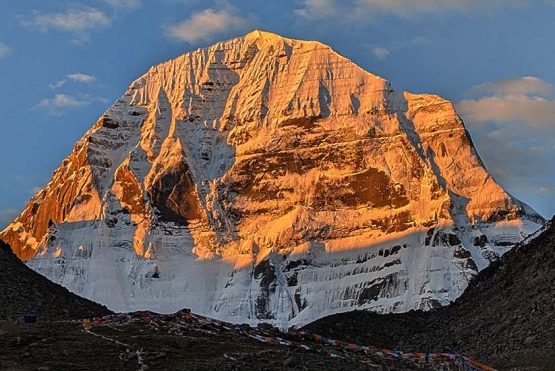
The Kailash Mansarovar Yatra typically spans 10-15 days, combining overland travel, trekking, and spiritual rituals. Starting from Kathmandu, Nepal, pilgrims cross into Tibet via the Kerung border or fly to Lhasa, then proceed to the base of Mount Kailash (elevation: 5,650m/18,538ft). Key stops include Lake Mansarovar (4,590m/15,060ft) and the challenging circumambulation (parikrama) around Kailash, which involves passes up to 5,650m/18,538ft like Dolma La.
The terrain, altitude, and long travel days make it physically demanding. Before planning your pilgrimage, we recommend understanding the full difficulty level outlined in our guide to help you prepare with confidence: How difficult is Kailash Mansarovar?
The High-Altitude Environment: What It Really Means
The entire yatra unfolds on the Tibetan Plateau, often called the “Roof of the World,” with average elevations above 4,000 meters (13,123 feet). Here’s how it applies in real life:
- Thin Air and Low Oxygen Levels: At these heights, oxygen availability drops by 40-50% compared to sea level. Your body must work harder to breathe and circulate oxygen, putting extra strain on the heart and lungs.
- Dry and Harsh Conditions: The air is extremely dry, leading to dehydration risks. Temperatures can swing from warm days to freezing nights, with strong winds and UV exposure adding to the physical toll.
- Acute Mountain Sickness (AMS): This is a common issue, affecting up to 50% of travelers at altitudes over 3,000 meters. AMS occurs when the body doesn’t acclimatize quickly enough to low oxygen. Symptoms include headache, nausea, dizziness, fatigue, and shortness of breath. In severe cases, it can progress to High-Altitude Pulmonary Edema (HAPE) or High-Altitude Cerebral Edema (HACE), which are life-threatening.
For pilgrims with pre-existing conditions, these factors amplify risks. At Himalayan Glacier, we prioritize safety with gradual acclimatization itineraries, oxygen supplies, and medical support, but the environment remains unforgiving.
How High Altitude Affects Heart Patients
High-altitude travel can be particularly challenging for those with heart conditions because the heart must pump harder to deliver oxygen to the body. Let’s break down the science and risks based on medical research:
Physiological Impacts on the Heart
- Increased Heart Rate and Blood Pressure: To compensate for low oxygen (hypoxia), your heart beats faster and blood vessels constrict, raising blood pressure. For someone with hypertension or coronary artery disease, this can strain the cardiovascular system.
- Risk of Arrhythmias: Irregular heartbeats may occur due to electrolyte imbalances from dehydration or the stress of altitude.
- Fluid Retention and Edema: The body might retain fluids, leading to swelling in the lungs or extremities, which is risky for those with congestive heart failure.
- Exacerbation of Existing Issues: If you’ve had a heart attack, bypass surgery, or stents, the reduced oxygen can mimic or worsen ischemic conditions (reduced blood flow to the heart).
- Congestive Heart Failure (CHF): Patients with CHF are particularly vulnerable at high altitude. Reduced oxygen levels and physiological stress can worsen fluid retention, increase the risk of fluid accumulation in the lungs, and further compromise oxygen delivery — potentially leading to a serious medical emergency.
What Medical Research Says
According to guidance from:
- American Heart Association (AHA): Medical guidance suggests that individuals with stable heart conditions may travel to moderate altitudes (approximately 3,000m/9842ft) with proper precautions and medical supervision. However, extreme elevations — such as those encountered during the Kailash Yatra (above 4,000m/13123ft) — require thorough medical evaluation before travel.
- Insights from the Journal of Travel Medicine: Research indicates that travelers with well-controlled heart disease (for example, ejection fraction above 50% and no recent cardiac events) may tolerate high-altitude environments under strict medical guidance. Individuals with unstable heart conditions, recent cardiac procedures, or poorly controlled symptoms are strongly advised to avoid such high-altitude pilgrimages.

Specific Considerations for Common Conditions
1. High Blood Pressure (Hypertension)
While manageable with prescribed medication, high altitude can sometimes trigger fluctuations in blood pressure due to lower oxygen levels and physical exertion. A thorough pre-yatra medical check-up and strict consistency to medication are strongly advised.
2. Diabetes
High altitude can affect blood sugar levels due to stress hormones and reduced appetite. If managed with medication and monitoring, it’s often feasible, but insulin-dependent diabetics need strict monitoring.
3. High Cholesterol
Cholesterol is usually controlled with ongoing medicines, but altitude can cause spikes. Regular check-ups pre-yatra are crucial.
4. Angioplasty, Stent & Bypass Surgery
- Eligibility After Surgery: Pilgrims who have undergone angioplasty, stent placement, or bypass surgery may be considered for the Kailash Yatra if the procedure was performed more than 6–12 months ago, stress tests are normal, and there are no symptoms during physical activity. Stable heart function is a key factor.
- Precautions: Recent procedures, ongoing symptoms, or unstable heart conditions make high-altitude travel highly inadvisable. Always consult your cardiologist before planning the pilgrimage.
5. Asthma (Strict Policy)
For the safety of our travelers, individuals with pre-existing asthma are advised not to undertake this pilgrimage. High-altitude conditions — with thin, dry air — can intensify breathing difficulties, trigger severe episodes, and increase the risk of complications such as pneumonia or respiratory distress. To ensure a safe journey for all, Himalayan Glacier does not accept bookings from travelers with a history of asthma.
These are general guidelines; your doctor’s evaluation of your ECG, stress test, and overall fitness remains essential before undertaking the pilgrimage.
When You Should NOT Attempt Kailash Yatra
Travelers should avoid the pilgrimage if they have any of the following conditions:
- Heart attack within last 6–12 months
- Ejection fraction below 40%
- Unstable angina
- Severe arrhythmia
- Uncontrolled hypertension
- Congestive heart failure
- Oxygen dependency
- Diagnosed asthma
Your health must come first — never let spiritual goals outweigh medical advice at high altitude.
Preparing for Kailash Yatra: Essential Health Steps
If your doctor approves, careful preparation is essential to minimize risks. Here’s a step-by-step guide:
1. Medical Consultations & Tests
- Visit a cardiologist experienced in high-altitude medicine. Discuss your yatra itinerary and get tests like an echocardiogram, treadmill test, and blood work.
- Obtain a fitness certificate confirming you’re cleared for high-altitude travel.
2. Choose Gradual Acclimatization
- Choose tours with built-in rest days for acclimatization, like those offered by Himalayan Glacier. Avoid rapid ascents.
- Monitor for AMS symptoms
3. Medications & Supplies
- Carry extra heart medications: Bring sufficient doses of your prescribed heart meds (e.g., beta-blockers, blood thinners). High altitude can subtly affect how your body responds, so consult your doctor about any adjustments.
- Preventive medication for AMS: If recommended by your physician, include Acetazolamide (Diamox) to help prevent acute mountain sickness.
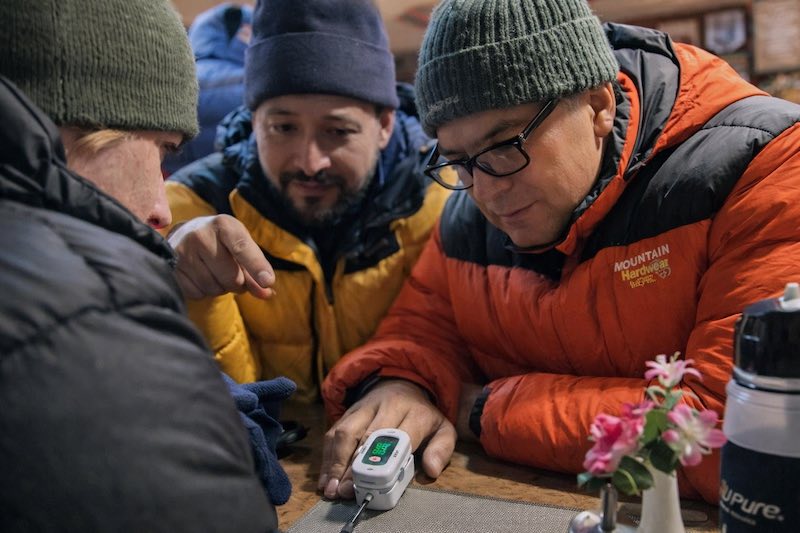
- Essential monitoring equipment: Pack a portable oxygen concentrator or cylinders if advised, along with a pulse oximeter and blood pressure monitor, to track oxygen levels and heart function during the journey.
Note: Diamox is for AMS prevention, NOT cardiac protection. Diamox helps with acclimatization but does not reduce cardiac strain.
4. Build Physical Endurance
- Build stamina with cardio exercises (walking, swimming) at least 3 months prior.
- Stay hydrated (4-5 liters daily), avoid alcohol/caffeine, and eat light, nutritious meals.
- Quit smoking and manage weight to reduce heart strain.
5. During the Yatra
- Pace yourself, opt for helicopter options if available for tougher segments.
- Watch for warning signs: chest pain, severe shortness of breath, or confusion, evacuate if needed.
Himalayan Glacier provides:
- Oxygen support
- Trained guides
- 24/7 coordination
- Emergency evacuation support

Real Stories and Expert Opinions
Many heart patients have successfully completed Kailash Yatra with proper preparation. A 58-year-old pilgrim with a stent once shared that slow pacing and disciplined medication helped him complete the journey. However, tragedies do occur. Reports from the Indian Ministry of External Affairs note altitude-related fatalities among elderly Indian pilgrims, often due to lack of awareness and attempting the journey based on emotional enthusiasm rather than medical readiness.
Experts from the Wilderness Medical Society recommend that heart patients with ejection fractions below 40% or recent cardiac events avoid such trips. Always prioritize safety over spirituality; the yatra’s essence can be experienced in spirit if physical travel isn’t viable.
Conclusion: Prioritize Health and Consultation
The Kailash Mansarovar Yatra is a life-changing experience, but it’s not for everyone. For heart patients, the answer to “Can heart patients go to Kailash Yatra?” depends entirely on your individual health status, as assessed by a qualified doctor. At Himalayan Glacier, we encourage thorough preparation and offer customized, safety-focused tours to make your journey as secure as possible, excluding those with asthma for their well-being.
If you’re considering this sacred pilgrimage, start with a doctor’s visit today. Contact us at Himalayan Glacier for itinerary details, and let’s discuss how we can support your adventure. Stay healthy, stay informed, and may your path be blessed.
Planning Kailash Mansarovar Yatra 2026/2027?
We design gradual, safety-focused itineraries with proper acclimatization for pilgrims above 45 and those with controlled medical conditions. Share your age group, preferred route (Kerung or Lhasa), travel month, and general health condition — and we’ll explain daily altitude exposure so you can consult your doctor confidently.
Frequently Asked Questions (FAQs)
1. Can heart patients go to Kailash Mansarovar Yatra?
Some heart patients with stable and well-controlled conditions may undertake Kailash Yatra after strict medical clearance. However, those with recent heart surgery, unstable heart disease, severe heart failure, or uncontrolled blood pressure should not attempt this high-altitude pilgrimage.
2. Can a heart patient complete Kailash Parikrama (Kora)?
Some stable heart patients may complete the Kailash Parikrama (Kora) if medically cleared. However, the Kora involves trekking at extreme altitudes, including Dolma La Pass at 5,630 meters. This section is physically demanding and significantly increases cardiac stress due to low oxygen levels.
3. What is the hardest part of Kailash Yatra for heart patients?
The most challenging part is usually the combination of thin oxygen, cold wind, physical exertion, and crossing Dolma La Pass during the Kora. The high-altitude trekking day requires sustained walking in low-oxygen conditions, which places additional strain on the heart.
4. Is high altitude dangerous for heart patients?
High altitude can be dangerous depending on the individual’s heart condition. Reduced oxygen levels increase heart workload and blood pressure. Health guidelines strongly recommend consulting a healthcare professional before traveling above 3,000 meters if you have heart disease or hypertension.
5. Is Kailash Yatra safe for heart stent patients?
Heart stent patients may consider Kailash Yatra if the procedure was done more than 6–12 months ago, stress test results are normal, and there are no symptoms. Cardiologist approval is mandatory before booking.
6. Can I go to Kailash Yatra after bypass surgery?
Bypass patients may travel only if heart function is stable and medical reports confirm good exercise tolerance. Recent surgery or reduced ejection fraction significantly increases risk at high altitude.
7. Can BP patients go to Kailash Mansarovar?
Pilgrims with well-controlled blood pressure may be eligible with doctor approval. Uncontrolled hypertension makes high-altitude travel unsafe.
8. What is the oxygen level at Kailash Mansarovar?
At elevations above 4,500 meters, oxygen availability drops by approximately 40–50% compared to sea level. At Dolma La Pass (5,630 meters), oxygen levels are significantly lower, increasing cardiovascular strain.
9. Do you allow asthma patients for Kailash Yatra?
No. Himalayan Glacier does not accept asthma cases due to the increased risk in cold, dry, low-oxygen environments. Asthma can worsen rapidly at high altitude and may lead to serious respiratory complications.
10. What medical tests are required before Kailash Yatra?
Heart patients should undergo:
- ECG
- Echocardiogram
- Treadmill stress test
- Blood pressure evaluation
A cardiologist must provide a medical fitness certificate for high-altitude travel.

Shankar has vast knowledge about most of the trekking trails and mountains of Nepal. He has guided various clients around the world since 2001 to several trekking destinations of Nepal including Everest, Annapurna, Langtang, Manaslu, and Mustang and many more.